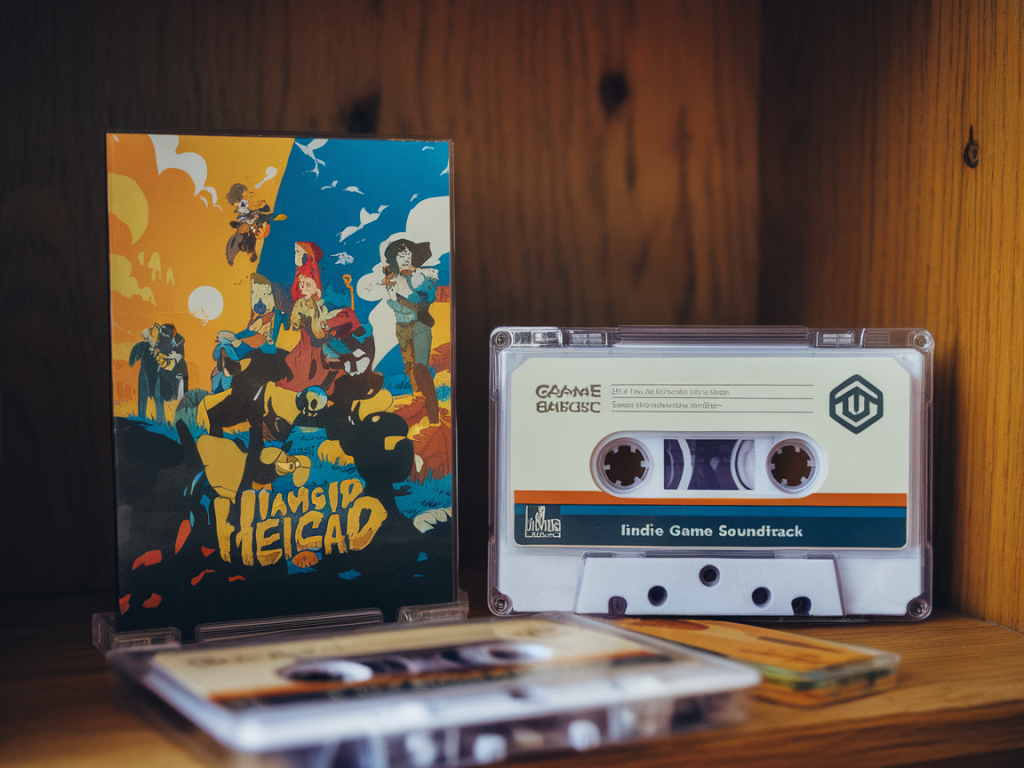
I’ve always been fascinated by how physical media can elevate a game’s world beyond the screen. Limited-run cassettes and cassette-like releases are one of those tactile, nostalgia-dripping formats that can transform a soundtrack into a sought-after collector’s item. As an editor and someone who spends too many late nights exploring indie game soundtracks on Bandcamp, I want to walk you through practical ways indie devs can make these releases profitable, meaningful, and genuinely desirable.
Why cassettes (or cassette-like releases) work for indie soundtracks
Cassettes hit a sweet spot for several reasons. First, they’re affordable to produce in small runs compared to vinyl. Second, they carry cultural cachet—retro vibes, mixtape aesthetics, and a tactile experience that streaming can’t replicate. Third, they’re an aesthetic choice that often aligns with the artistic direction of many indie games: lo-fi, synth-heavy, or nostalgia-rooted soundscapes.
From a marketing standpoint, cassettes are shareable. Fans unbox them on social media, display them on shelves, and include them in photos—free marketing you can’t easily buy. For collectors, limited numbers, hand-numbering, and unique packaging increase desirability and price elasticity.
Designing a collectible cassette release that fans will pay for
There’s more to a successful cassette than just pressing audio to tape. Here are elements that make a release feel special and worth the price tag:
- Limited editions and tiers — Offer very small ultra-limited variants (e.g., 25 copies on colour A tape, hand-signed) and larger-but-still-limited standard editions (200–500). This gives collectors a chaseable grail and casual fans a more accessible option.
- Compelling packaging — J-card artwork, folded lyric/liner notes, stickers, and a business-card-sized poster make the package feel like a mini object of art. Consider die-cut sleeves or textured paper for tactile difference.
- Exclusive content — B-sides, demos, unreleased tracks, or an alternate mix exclusive to the cassette. Fans love “lost” or “alternate” versions of familiar themes.
- Artwork synergy — Make sure the cassette’s visuals match the game’s aesthetic. Commission a small run of bespoke art—collaboration with a known indie artist can add cachet.
- Numbering and signatures — Hand-numbered copies and developer/ composer signatures increase perceived value substantially.
How to price without scaring off buyers
Pricing is a balancing act. You want to cover costs, time, and still provide perceived value. Here’s a simple approach I use when advising creators:
- Calculate cost per unit: pressing, J-card printing, cassette shell, mailer, labels, and fulfilment time.
- Add a profit margin: typically 50–100% on physical indie merch, depending on scarcity and brand strength.
- Use tiered pricing: base cassette (affordable), deluxe cassette (includes extras like art prints or signed cards), and super-limited (high price, very small quantity).
- Factor shipping: offer domestic flat-rate and international calculated shipping. Consider digital + cassette bundles to increase average order value.
Manufacturers and production tips
Several cassette manufacturers specialize in small runs suitable for indie budgets. Companies like Tape Factory, National Audio Company, and smaller boutique producers offer runs from 50 copies up. A few production tips from my experience:
- Order samples first. Colours and print quality can vary dramatically.
- Plan lead time conservatively. Pressing and printing can take 4–8 weeks depending on demand and time of year.
- Consider pre-orders to finance the run. Use a deadline-driven campaign to create urgency.
- Keep batches manageable. Smaller runs allow you to test different variants and sell “leftovers” through special channels later.
Marketing strategies that actually convert
Turning a cassette release into profit is as much about marketing as it is about the product. Here are approaches that work:
- Leverage the game’s community — If your game has a Discord, subreddit, or active Twitter/X following, tease the release with behind-the-scenes photos: mockups, pressing photos, and a short video of the tape playing.
- Limited drops and timed releases — A 72-hour pre-order window or a midnight drop with a countdown can drive impulse buys.
- Bundle with digital extras — Include a download code for high-quality WAV/FLAC files, an artbook PDF, or stems for remixers. Bundles increase perceived value and are easy to fulfil.
- Partner with influencers — Send a few promo copies to collectors, streamers, or music reviewers who focus on game soundtracks. Unboxings and reaction videos amplify reach.
- Use Bandcamp and Shopify smartly — Bandcamp is ideal for audio-first buyers; integrate physical preorder options there. Shopify provides more custom storefront control for bundles and limited inventory.
Fulfilment and post-sale experience
Turning a release into lasting goodwill is just as important as initial profit. Good fulfilment and communication reduce refunds and build repeat buyers:
- Clear shipping times — Be upfront about production and shipping windows in the product description.
- Quality control — Test several cassettes from the batch for audio and packaging defects before shipping the whole run.
- Personal touches — A handwritten thank-you note, sticker, or numbered certificate goes a long way.
- Track and communicate — Send tracking info and updates. If delays happen, transparency preserves trust.
Leveraging scarcity without burning goodwill
Scarcity drives collector behavior, but artificial or repeated “limited” drops can damage reputation if fans feel manipulated. Keep these ethics in mind:
- Be honest about quantities and future plans. If you plan to repress, say so and explain differences (colourways, bonus tracks).
- Avoid endless micro-limited drops that force fans to buy impulsively to avoid regret.
- Offer a reasonable number of copies for core fans—if your community is global, take international access into account.
Alternative cassette-like products worth considering
If true audio cassettes aren’t viable for cost or logistical reasons, there are cassette-like options that still capture the vibe:
- Cardboard cassette sleeves — A printed cassette-shaped card with download code—cheap, collectible, and easy to ship.
- USB cassettes — Bootleg-style cassette shells with a USB stick inside. More expensive but offers modern convenience.
- Mixtape zines — A small booklet or zine styled like a mixtape insert, paired with a download code or Bandcamp link.
Making a cassette release profitable requires a mix of creativity, realistic budgeting, and honest community engagement. When done right, these releases become artifacts that deepen a player’s relationship with your game—and they can fund future creative work. If you want, I can draft a sample pre-order page, a pricing calculator, or a promo timeline tailored for your project.