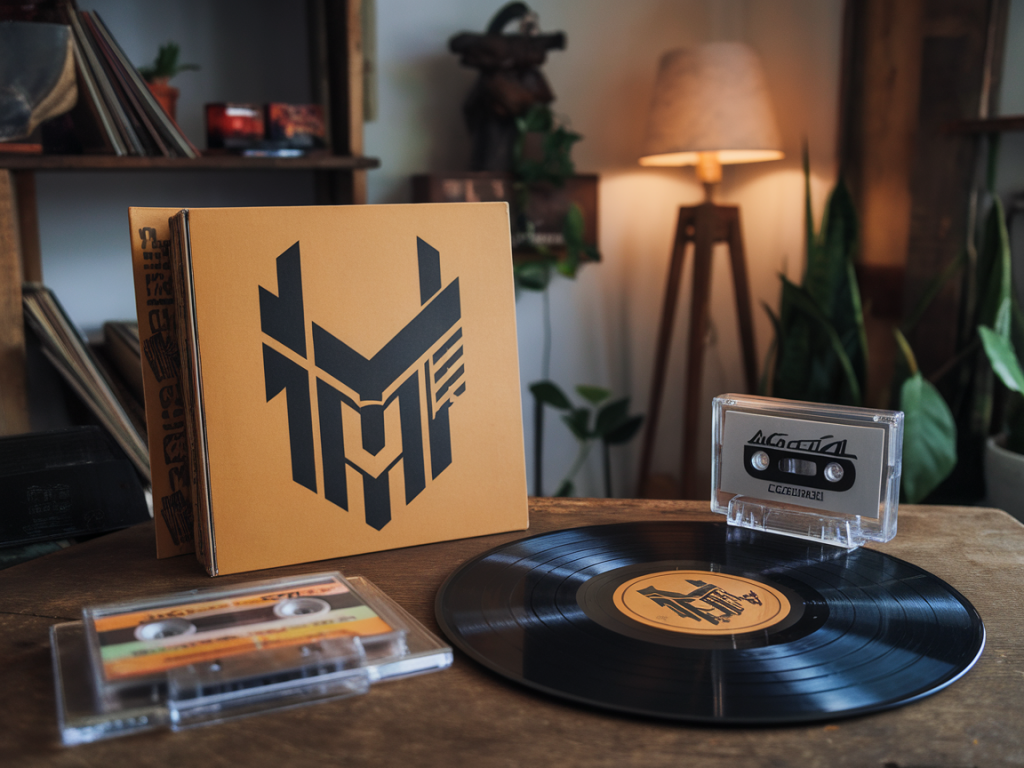
I’ve been following indie game soundtracks for years — not just as background music, but as cultural artifacts that fans want to own, display, and play. Vinyl and cassette releases are more than nostalgia; they’re tangible hooks that can deepen player connection and create real revenue beyond the game’s initial sales. But turning a limited-run physical release into a sustainable income stream requires strategy, not just pretty art and a short batch of pressings. Here’s how I’ve seen developers do it right, and how you can build a repeatable model that supports future projects.
Start with demand: validate before you press
The most common mistake is assuming enthusiasm equals purchase intent. Fans love the idea of vinyl or cassettes, but actual buyers are a smaller, passionate subset. I always recommend validating demand before committing to a pressing run.
Pre-orders serve two purposes: they reduce financial risk and build buzz. I’ve seen teams use a short closed pre-order window (2–4 weeks) to create urgency and then either move to a small open shop or plan reissues based on demand.
Choose partners that fit your scale and ethos
Not all manufacturers are equal. Pressing plants have minimum runs, lead times, and price points that can make or break a small release.
Manufacturing timelines are crucial — 3–4 months is common for vinyl. Plan releases around those timelines and be transparent with your buyers to maintain credibility.
Design variants with a roadmap
Limited editions drive urgency, but too many one-offs can exhaust your audience. I recommend designing a sustainable variant strategy.
Map out a reissue schedule: say, a repress 12–18 months after the initial run with a new variant. That gives the initial buyers exclusivity while ensuring the soundtrack remains an evergreen product.
Price smartly — cover costs and respect fans
Pricing is where many indies stumble. Underpricing hurts your margins; overpricing kills sales. Your price must cover manufacturing, shipping, fees, and a margin to fund future projects.
If your goal is sustainability, aim for break-even on small pre-orders and a healthy margin on the rest. Use pre-order funds to finance production and avoid dipping into studio cash.
Leverage digital to support physical
Don’t treat physical as isolated. The right digital strategy amplifies sales and keeps momentum.
Also consider including a download code in the jacket. That increases perceived value and is expected by many collectors.
Use storytelling and community to add value
Soundtracks sell when they connect emotionally. I’ve seen developers create added value through behind-the-scenes content and community engagement.
People pay for connection. If your physical release tells a story about the game’s world and creative process, it becomes more than a product — it’s a collectible.
Distribution: strike the right balance
Decide whether you want exclusivity or wider reach. Each has trade-offs.
For sustainability, I prefer starting direct and then partnering with niche labels for reissues or international distribution. This approach preserves margin early and scales responsibly.
Monetize beyond the first sale
One physical release can generate multiple revenue streams if you think beyond the initial transaction.
Track, adapt, repeat
Treat each release as a learning opportunity. Track conversion rates from social posts, which variants sold fastest, and where buyers live (for shipping optimization). Use that data to plan your next press.
| Metric | Why it matters |
|---|---|
| Pre-order conversion rate | Shows true demand and helps size runs |
| Average order value | Indicates room for bundling and upsells |
| Refunds/returns rate | Signals shipping or product issues to fix |
| Geographic split | Helps choose distribution partners and pricing |
By iterating on design, pricing, and community engagement, physical releases can fund themselves and support future audio projects. The key is to treat records and tapes not as one-off merch, but as part of a product lifecycle with reissues, digital tie-ins, and licensing opportunities that create a steady revenue stream for your studio.