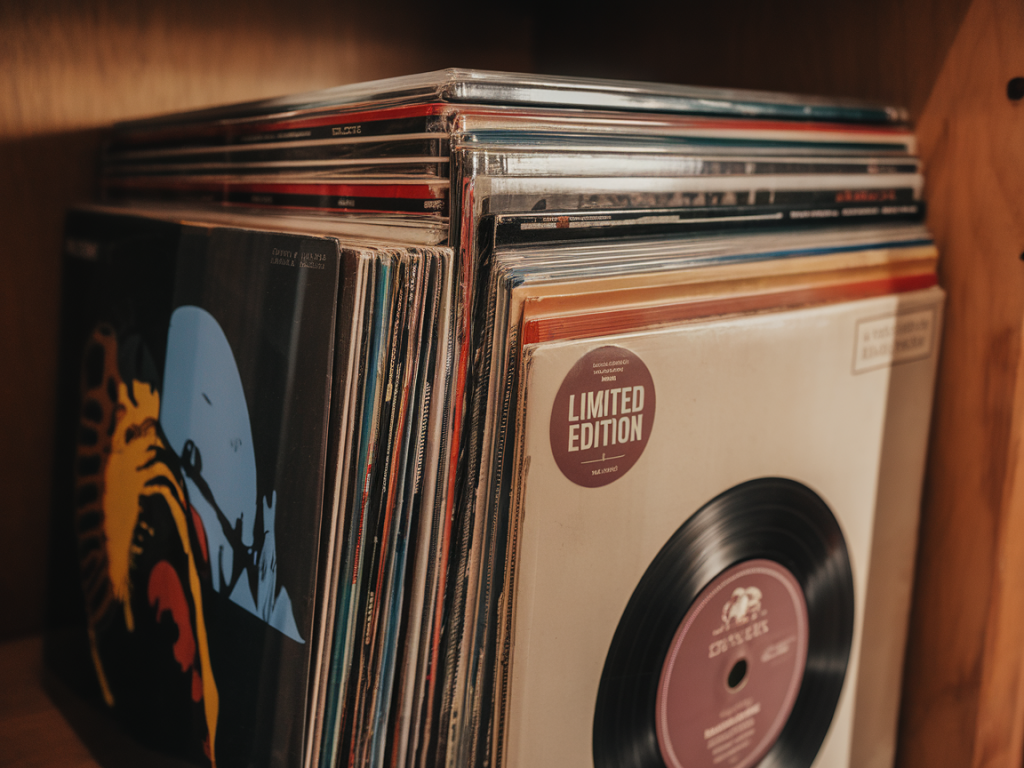
I’ve spent years watching the vinyl market wobble between hobbyist enthusiasm and outright speculative mania, and soundtrack pressings sit at a particularly interesting intersection of music collecting, film fandom, and design culture. Some limited-run soundtrack vinyl pressings become overnight grails, tripling (or more) in value within months. Others — despite slick packaging and hype — end up as shelf warmers. Here’s how I judge which ones are likely to appreciate and which ones will fade into bargain bins.
Why soundtrack vinyl are a different beast
Soundtracks aren’t just records: they’re physical tokens of storytelling that connect music fans with film and TV fandom. That makes them attractive to multiple buyer bases — cinephiles, vinyl collectors, poster-art enthusiasts, and completists — which can inflate demand. But it also means a pressing needs to tick boxes across several communities to gain long-term value.
When I evaluate a release, I’m not just listening for a great score. I’m looking at the entire ecosystem around the pressing: the composer’s status, the label’s credibility, artwork and presentation, pressing numbers and variants, distribution strategy, and the likely trajectory of the film or show’s cultural relevance.
Signs a limited-run soundtrack might triple in value
Strong composer or franchise pedigree — Big names (John Williams, Hans Zimmer, Trent Reznor, Ennio Morricone) or beloved franchises (Star Wars, Blade Runner, Stranger Things) provide an immediate collector base. Even boutique composers who become cult figures can drive demand.Reputable boutique label — Labels like Mondo, Waxwork, Death Waltz, Numero Group, and Invada have built collector trust. Their pressings often sell out fast, and their variants frequently appear on resale marketplaces at a premium.Very small pressing / clear cap — When a release is capped at a tiny number (e.g., under 500 copies) and that cap is communicated transparently, scarcity is real. Caps matter more than “limited edition” buzz without numbers.Unique, high-quality packaging — Inserts, heavyweight vinyl, colored or splatter variants, reverse-board jackets, artwork by notable illustrators — these make a release desirable beyond the music. Collectors pay for tangibility and presentation.Variants that tell a story — Variants tied to premiere events, convention exclusives (San Diego Comic-Con, MondoCon), or artist-signed copies often command bigger resales. First-press variants usually fetch the highest prices.Film or show with rising cultural cachet — If a film develops cult status, spawns fandom activity, or gains new life on streaming, soundtrack demand can spike. Timing matters: a quiet indie that later becomes a midnight classic can turn a modest pressing into a hot item.Well-mastered and sonically unique — Audiophiles notice mastering quality. Pressings with audiophile cuts or credible mastering credits (e.g., names like Bernie Grundman, or mastering studios that vinyl fans respect) sustain value.Limited distribution — When a pressing is sold only through a single channel (label shop, convention booth, select retailer), it reduces availability for casual buyers and pushes hardcore fans to the resale market.Red flags: why some limited pressings fade
“Limited” with hidden numbers — If a release is advertised as limited but never states the pressing size, that’s a red flag. Labels sometimes use marketing language without delivering actual scarcity.Mass-market tie-ins — Large retailers or bundles that flood the market (think supermarket or mainstream streaming service promotions) dilute scarcity and suppress resale value.Excessive variants for the sake of variants — When a release has 20+ variants across dozens of retailers purely as a sales tactic, collectors get fatigued and many variants end up unsold and devalued.Poor production quality — Cheap sleeves, misprints, warps, or sloppy pressing runs turn off serious collectors and reduce long-term desirability.Reissue-friendly rights — If the rights holder or studio is likely to authorize reissues or large-scale runs later (especially major studios with deep catalog operations), early scarcity may be temporary.Practical tools and sources I use
There’s a difference between sniffing out a hype train and doing homework. These are the places I check before opening my wallet:
Discogs — For market history, pressing numbers, and price trends. Look at “Want” vs “Have” counts and recent sales rather than asking prices.eBay & Popsike — Track sold listings, not just active auctions. Popsike archives auction results for comparison.Label newsletters and social media — Many boutique labels announce caps and distribution plans first. Signing up and following them on Instagram/X can give you a pre-order advantage.Reddit and Facebook collector groups — Communities like r/vinyl, r/soundtracks, and dedicated label groups often surface insider info on press-run craziness and retailer variants.Vinyl-specific shops — Stores like Rough Trade, Amoeba, and local indie shops sometimes get exclusive variants. Establish relationships with shop staff for heads-up drops.Buying strategy: when to spend and when to wait
My approach depends on whether I want to collect for love or investment (often both). If it’s about appreciation potential, I typically follow this plan:
Pre-order when the label is credible and caps are small — If a trusted label announces 350 copies and the music/fanbase looks solid, pre-ordering is usually the safest bet.Hold for at least 6–12 months — The initial resale spike can be inflated by flippers, but real collector-driven value builds over time. Holding through the first year allows momentum to stabilize.Buy the best condition possible — Mint/NM copies retain value far better than VG/Good. If you plan to flip, condition is everything; if you plan to keep, invest in proper storage.Be wary of immediate flipping — Some variants gush value the first week, but many plateau or drop once the dust settles. Quick flips are profitable only if you’re certain demand outruns supply.How to tell when a pressing is artificially inflated
Speculative bubbles are common. Here’s how I spot them:
Mass reselling by flipper networks — If dozens of identical copies flood eBay in the weeks after release, the initial price surge may be artificial.Hype without community engagement — A release hyped by influencers but lacking organic discussion among collectors is riskier.Short-lived streaming/TV trends — Items tied to ephemeral internet moments (viral clips, short-lived memes) can spike and fade quickly.Seller tips I’ve learned the hard way
When I’ve decided to sell, a few practical details protect value and reputation:
Describe condition precisely — Use Discogs grading standards and include high-quality photos. Transparency avoids returns and builds buyer trust.Time your sale — List during renewed interest: an anniversary, a series revival, or a composer tour can reignite demand.Choose platforms wisely — Discogs and specialist Facebook groups often net better prices than general marketplaces because buyers there are knowledgeable and willing to pay.Ship like a pro — Double-boxing, corner protectors, and offering tracked service reduce disputes and protect your rating.A quick checklist to use before you buy
| Composer / Franchise | Established name or rising cult icon? |
| Label | Reputable boutique with sellouts? |
| Pressing size | Number stated and below ~1000? |
| Distribution | Exclusive / limited retailer channels? |
| Packaging | Unique art, inserts, heavy stock? |
| Market signals | Pre-orders sold out, Discogs demand, social buzz? |
| Reissue risk | Rights owner likely to reprint? |
Soundtrack vinyl collecting is part aesthetics, part fandom, and part market analysis. When those three elements align, you get the kind of scarcity-driven value that can triple a record’s price. When they don’t, you get a lovely piece of art that, while enjoyable, is unlikely to become a financial windfall. Personally, I try to balance the thrill of discovering future classics with respect for the music itself — because at the end of the day, the best pickups are the ones you’re glad to own whether their value climbs or not.