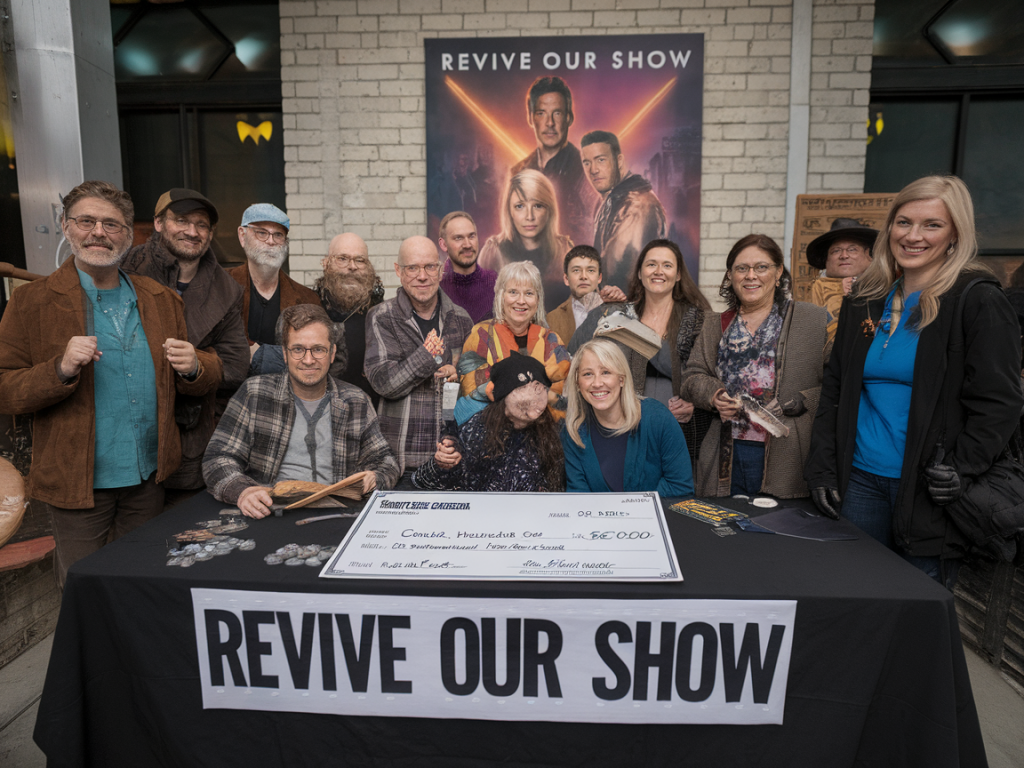
I’ve been watching fandoms try to bend the rules for as long as I’ve been a critic and editor, and one question keeps coming back: can fans actually pool their cash and buy the rights to revive a canceled show without the studio’s blessing? Short answer: almost never — at least not the way people imagine when they share a GoFundMe link and dream of bringing back their favorite characters. But the full answer is messier, interesting, and worth unpacking if you care about how IP, money, and passion collide.
Who actually owns a TV show?
The first thing to understand is that a TV show is not a single neat object you can scoop up like a painting at an auction. A series is a bundle of intellectual property rights: copyright in scripts, episode footage, character rights, trademarks, music licenses, and distribution rights. Often those rights are split between multiple parties — the studio, the production company, the network, creators, and sometimes individual writers or composers. When a show is “canceled,” the studio or rights holder usually retains control.
That means you can’t simply crowdfund $100,000 and go to the network demanding the keys. Buying the rights requires a legal transfer from the rights holder, and they get to set the price, terms, and any creative conditions. For most mainstream shows owned by big studios (Netflix, Disney, Warner Bros.), the rights are valuable assets that aren’t sold lightly.
Examples and precedent — what fans have actually achieved
There are some high-profile success stories that get invoked a lot, so let me separate myth from reality:
- Veronica Mars: Fans raised $5.7 million on Kickstarter to fund a feature film. Crucial point: Rob Thomas (the creator) and Warner Bros. negotiated the deal first. The crowdfunding paid for production costs, not for the IP itself. The studio retained rights and approved the project.
- Arrested Development and Community revivals: These were driven more by economics and streaming/platform interest than direct fan purchase. Platforms paid studios to license or produce new seasons because they believed it would bring subscribers.
- Star Trek and many fan films: Fans can create non-commercial fan projects with care around IP, but once money or profit is involved, studios step in. Paramount and CBS (now part of the same corporate umbrella) have strict rules for fan productions.
- Small indie properties: If a show is owned outright by a small production company or an individual creator who’s willing to sell, a fan collective could theoretically organize to buy the rights. This is rare but possible.
Why studios rarely sell rights to fans
Studios see IP as a long-term asset. Even if a show isn’t making money now, it could have future value: streaming, merchandise, international licensing, or being used as leverage in larger deals. Selling to fans is usually less attractive than holding, repackaging, or licensing to a platform. There are also tax and corporate governance reasons that make divestiture complicated.
Another practical point: a studio selling rights to an amorphous crowd raises legal headaches. Who will sign warranties? Who will be liable for residuals and guild obligations? How will future disputes be resolved? Studios prefer a single legal entity as a counterparty.
What fan funding can realistically do
Here’s where the power of fans is actually useful:
- Demonstrate demand: A million-signature petition or a massive crowdfunding campaign shows measurable enthusiasm. That can make a studio sit up and consider a revival or licensing deal. It doesn’t buy the rights, but it influences negotiations.
- Finance an approved revival: If a studio or creator is willing to license the rights, fans can fund the production (like Veronica Mars), but legal approval is a must beforehand.
- Create new, original projects inspired by the show: Fans can fund spiritual successors — new characters or universes that capture the vibe but avoid copyrighted elements. This is often safer legally.
- Fund legal action or advocacy: In very specific scenarios, fans could fund a legal purchase if the rights holder truly wants to sell, or they could fund a bid at an auction if a studio decides to divest assets.
Paths to actually owning or reviving a show
If you’re serious about a revival funded by fans, these are the realistic strategies — each with practical hurdles and costs:
- Negotiate with the rights holder: Form a legal entity (an LLC), raise equity or debt through crowdfunding (equity crowdfunding is possible but regulated), and make a formal offer. You’ll need lawyers, accountants, and a production plan. Cost: potentially millions for mid-tier shows; time: months to years.
- Partner with the original creators: If the showrunner or creators still own some rights or have influence, partnering with them can get you permission more easily. Studios are sometimes more amenable when creators are involved.
- License rather than buy: Licensing a revival or sequel from the rights holder is more common than a full sale. Crowdfunded money can be used to meet licensing fees or production costs if the studio agrees.
- Produce a fan film with limits: If you accept non-commercial status and follow any guidelines the rights owner publishes for fan works, you can create shorts or web content. This won’t replace an official revival but can keep the fandom vibrant.
- Create a spiritual successor: Develop a new IP that channels the original’s spirit without using protected characters or settings — think of it as fan labor turned professional. It’s the cleanest way to monetize without needing studio approval.
Costs, timelines, and legal realities (quick table)
| Approach | Legal complexity | Typical cost | Chance of success |
|---|---|---|---|
| Buy rights outright | Very high | $100k–$millions+ | Very low for major studios; possible for small indie owners |
| License for revival | High | $50k–$millions (licensing + production) | Moderate if demand and commercial logic exist |
| Crowdfunded production with studio approval | Medium | $50k–$10M (production scale dependent) | Moderate (requires studio/creator buy-in) |
| Fan film / non-commercial project | Low–Medium | $0–$200k | High for short projects if following rules |
| Spiritual successor | Low | $10k–$1M | High (new IP, no studio negotiations) |
Practical tips if you want to try
- Form a legal entity early. Studios won’t negotiate with a loose collective.
- Hire entertainment counsel. IP law, residuals, and guild contracts are maze-like.
- Be realistic about money. Even “modest” revivals easily run into six figures, and major ones cost millions.
- Build a professional pitch. Studios respond to business cases: audience metrics, monetization plan, and distribution options.
- Consider alternative routes (spiritual successor, stage, comics). They’re more achievable and keep the creative impulse alive.
I love the optimism behind every fan campaign — it’s proof of how much stories matter. But passion alone can’t replace legal ownership and the financial logic of studios. If your fandom wants a revival, use that energy strategically: show demand, get organized legally, and be open to collaborating with the people who actually control the IP. You might not buy the rights with a single fundraiser, but with the right approach, fans can still shape the future of the shows they love.