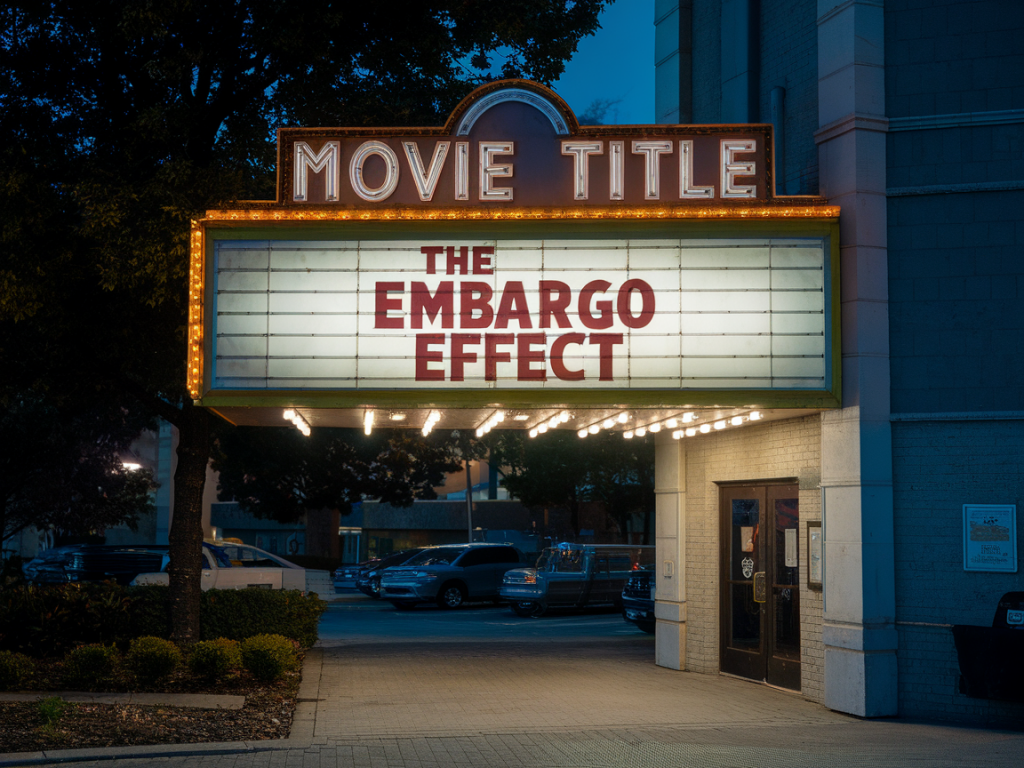
I remember the first time I attended a press screening where the review embargo lifted at midnight — a small group of critics huddled around laptops, refreshing Twitter and frantically crafting their takes. That moment felt like a ritual: embargo drops, headlines appear, and the narrative around a film begins to coalesce. Embargoes are the hidden scaffolding behind those opening-day impressions, and they shape what audiences see, discuss, and ultimately decide to watch.
What is a review embargo and why do studios use them?
A review embargo is a contractual request from a distributor or studio asking critics and outlets not to publish reviews before a specified date and time. The reasons studios give are usually practical: they want a coordinated marketing push, to control spoilers, or to ensure that reviews appear closer to the release date when audience interest is peaking. Sometimes embargoes are negotiated to avoid spoiling plot twists for blockbuster films or to give critics enough time to watch and reflect on a long, dense movie.
From a PR perspective, embargoes are a useful tool. Imagine a tentpole like a Marvel or Star Wars release — the studio wants a controlled drip of content, trailers, interviews, and reviews to line up for maximum impact. For indie films, an embargo might be set to align reviews with festival premieres or limited release windows that rely heavily on critical momentum.
How embargoes shape early perceptions
Embargoes affect perception in several concrete ways:
Do embargoes bias critics?
There’s a misconception that embargoes pressure critics to conform. In my experience, most professional critics value independence; embargoes don’t compel a specific opinion. However, the environment created by embargoes can subtly bias coverage:
Should audiences trust early takes?
Short answer: trust early takes, but with context. Here’s how I advise readers to interpret them.
Notable examples that show embargo power
Think back to films like Batman v Superman or certain tentpole franchises where early reviews set a narrative that stuck despite later reappraisals. Conversely, movies like Mad Max: Fury Road benefited from glowing embargo lifts that helped push audiences who might have been skeptical about its intense style.
Sometimes studios use embargoes selectively. For instance, a studio might lift an embargo for critics who saw an early cut, while others get access later — that can create disparities in the early conversation. Streaming platforms like Netflix or Amazon have their own strategies, sometimes releasing content with no prior reviews (to avoid early criticism) or with wide embargo media campaigns.
How I approach early reviews as a critic and editor
At Fandomwire Co, my priority is accuracy and context. When an embargo lifts, I try to resist the urge to be first. Instead, I aim to be thoughtful: digesting the film, revisiting scenes, and factoring in my experience with the director’s past work, the marketing promises, and what the film aims to achieve.
I also tell readers exactly what type of review they’re getting — spoiler-free first impressions, a deeper spoilery analysis, or a quick consumer guide — so they know how to rely on my take. Transparency about timing and access builds trust, and I recommend other outlets do the same.
Practical tips for readers deciding whether to see a film early
Embargoes will continue to be part of the media ecosystem because they serve distribution and journalistic rhythms. The savvy viewer learns to read the signals they create — not to accept them blindly, but to use them as a map while keeping a little skepticism in their pocket. For me, the best part of covering pop culture is watching how those first impressions evolve once audiences and time have their say.