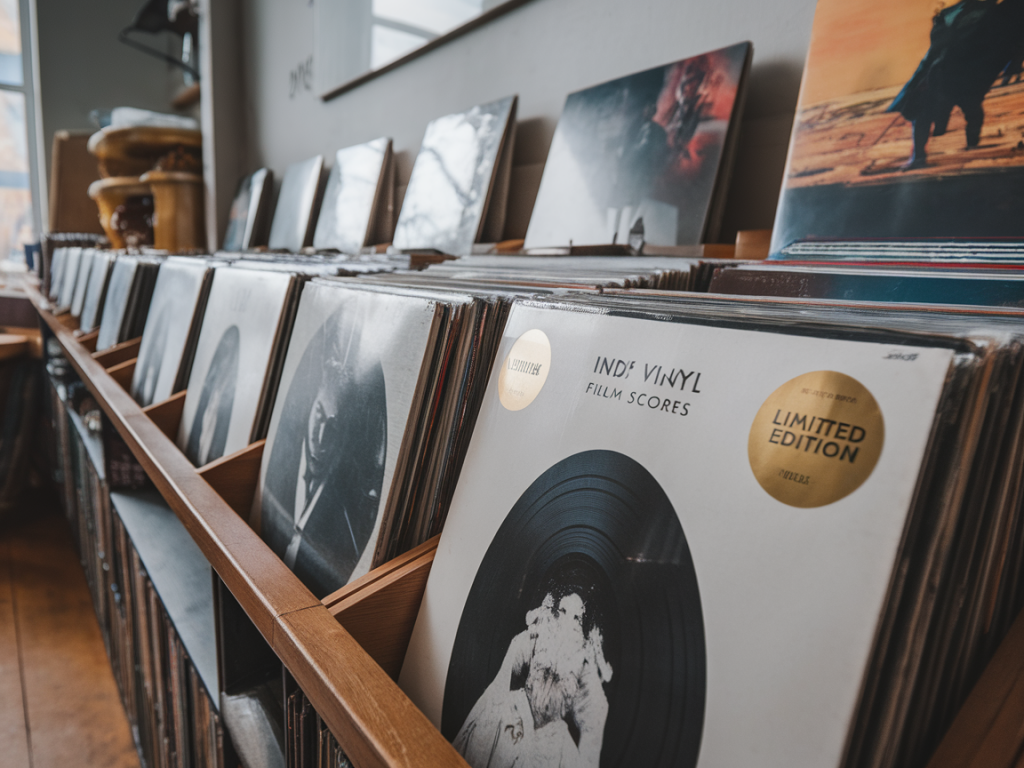
I still get a jolt when a record I bought for £30 suddenly lists for £300 the next morning. It’s an odd mix of vindication and bafflement — did I smell a collector’s gem, or was I just lucky to click “add to cart” at the right second? Over the last decade covering music, games, and film, I’ve watched indie vinyl runs of film scores go from niche passion projects to speculative assets overnight. Here’s what I’ve learned about why that happens, and how you can think and act like a smarter collector (or seller) when the market flips.
How a small pressing becomes a hot commodity
There’s no single trigger. Instead, a few fault lines line up and the price spikes. In my experience the most common catalysts are:
Scarcity — Most indie labels press limited runs: 300, 500, sometimes 1,000 copies. Once those disappear, the only supply left is the used market. A tiny supply plus steady demand is a classic recipe for rapid appreciation.Timing — When a film gains attention — a cult reappraisal, festival buzz, or a late-night viral clip — the soundtrack becomes relevant again. Collectors rush to buy the physical object that represents that moment.Gatekeeper mentions — One influential account dropping a video or a major podcast spotlighting a score can create instant demand. I’ve seen a single tweet from a respected collector or a streamer clip send prices through the roof.Pressing variants — Colored vinyl, special art sleeves, and numbered editions are magnets. Limited variants create multiple "scarcity tiers" within the same release and push prices on the rarest variants.Marketplace dynamics — Discogs, eBay, Facebook groups, and even TikTok (yes, TikTok) now act as auction houses. Algorithms boost listings that get attention, creating feedback loops of visibility and bids.Combine two or three of those factors and you’ve got a sudden flip waiting to happen.
Why film scores in particular?
Film music is a particularly volatile corner of vinyl collecting for reasons beyond the mechanics above.
Emotional attachment. Soundtracks tie directly to scenes and memories; they’re not just music you enjoy but moods you return to. That emotional value becomes financial value when enough people feel the same way.Composer fandom. Certain composers — think John Carpenter, Ennio Morricone, Cliff Martinez, or more contemporary names like Mica Levi — have cult followings who will buy any physical manifestation of their work.Soundalike crossover. Film scores often get rediscovered by crate-diggers and producers sampling for beats. That new audience adds a wave of buyers who weren’t originally into film music.Real-world signals I watch before I bid or list
Over the years I’ve developed a quick checklist I run through mentally when I see a release moving fast. None of these guarantees a flip, but together they raise the odds:
Edition size — Smaller is better. Anything under 500 copies is instantly more speculative.Variant transparency — Does the label publish how many copies of each variant exist? If yes, you can gauge scarcity. If no, assume the rarest-looking variant is very limited.Label reputation — Mondo, Waxwork, Death Waltz, Varése Sarabande and smaller boutique labels with good reputations for quality and marketing tend to have more reliable secondary markets.Artist/film momentum — Is there a new film release, streaming debut, or viral moment tied to the composer or film?Initial sell-through — Rapid sell-outs on Bandcamp or the label’s store are a red flag for a future price hike.Community chatter — Discogs forum posts, Reddit threads, or Discord channels lighting up often precede price spikes.Practical tips for collectors
Whether you’re collecting for love or ROI, here are things I actually do and recommend:
Buy what you love first — You’ll regret selling a cherished record more than you’ll regret missing a speculative flip.Sign up for label newsletters — Bandcamp drops and email announcements are often the only way to secure an initial copy.Use multiple alerts — Set searches on Discogs and eBay, follow labels and pressing plants on Twitter/Instagram, and join a few collector communities.Document condition — If you plan to sell later, high-quality photos, original packaging, and proper storage dramatically affect resale value.Store properly — Keep records upright, away from heat and humidity, inner sleeves for protection. Condition sells.Consider buy-and-hold — Sometimes these pressings appreciate over years. If you’re not in a rush, patience often beats quick flipping fees and shipping headaches.How to spot traps and avoid losing money
Not every limited pressing will skyrocket. Here are pitfalls I’ve seen newcomers fall into:
Hyped but shallow demand — A viral moment can be short-lived. If the film or composer doesn’t have a dedicated community, the aftermarket may evaporate quickly.Overpaying at retail — Some sellers inflate pre-orders or resale before demand is proven. Don’t chase a release just because others are doing so without understanding the signals.Ignoring fees — Platforms take cuts, and shipping/packaging costs add up. Factor those into your ask price.Poor authentication — Fakes exist, especially with popular releases. Verify labels, matrix/runout stamps, and use community resources to confirm authenticity.Small table: Quick comparison of buyer intent
| Buyer type | Typical motivation | Advice |
| Fan/Listener | Own the music, enjoy the art | Buy what you love; don’t focus on ROI |
| Speculator/Flipper | Short-term resale profit | Watch signals, be fast, factor fees |
| Investor/Collector | Long-term value appreciation | Focus on condition, rarity, provenance |
Examples that illustrate the mechanics
I remember a boutique label pressing a haunting synth score for a low-budget horror film — 400 copies, a single Bandcamp drop, and one colored variant of 50. The film hit a streaming platform and suddenly influencers were sampling the score in lo-fi mixes. Listings on Discogs tripled within days. The variant of 50? Those went from £40 to £600 in under a month. Same mechanics I’ve seen with Mondo’s special editions, Waxwork’s pressings, and even small European labels producing Dolby Atmos-friendly gatefolds.
Another case: a cult foreign film received a 4K restoration, with festival screenings and a reissued soundtrack pressed by a respected label. The combination of restoration buzz and label prestige turned a previously obscure LP into a desirable item for both soundtrack and cinephile collectors.
Final practical checklist before you buy or list
Confirm edition size and variant counts.Check recent sold prices, not just current listings.Evaluate long-term interest: does the film/composer have staying power?Document everything for resale: receipts, photos, and original packaging.Factor in fees and shipping when pricing.I keep chasing these dynamics because they’re where fandom meets the thrill of discovery. Whether you’re building a listening library or trying to out-guess the market, the key is information, patience, and a little instinct. And when a record you love suddenly turns into a small fortune? Keep a copy. You’ll want to play it.