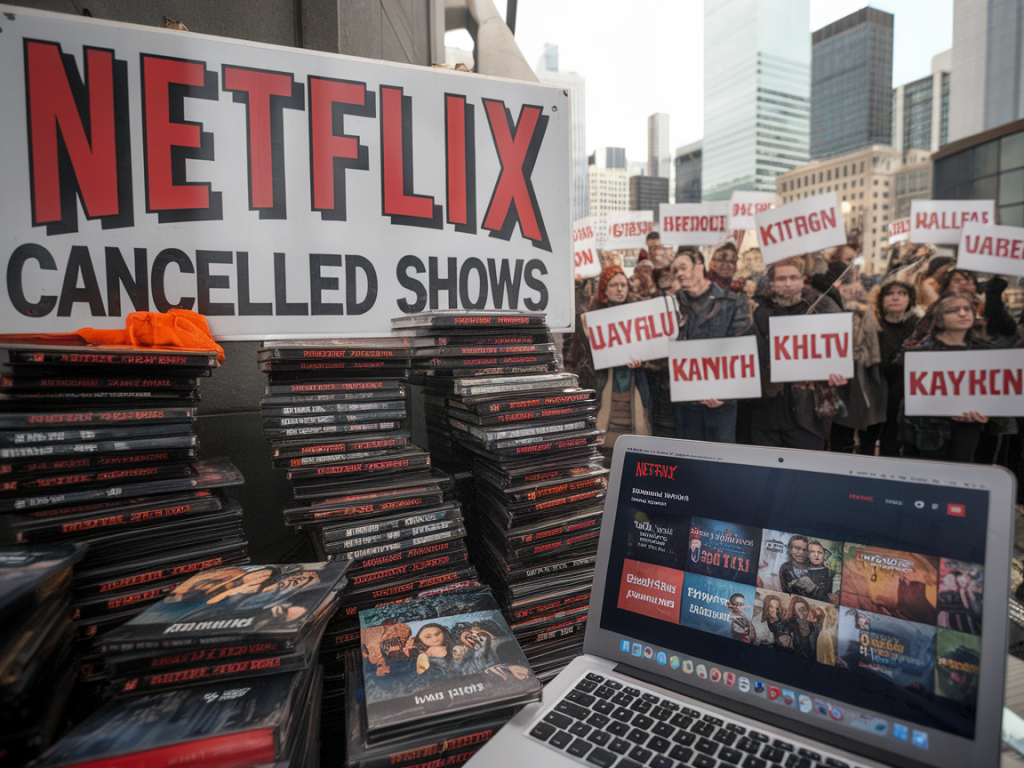
I’ve spent a lot of time watching how streaming platforms behave, talking to people inside the industry, and parsing the signals fans obsess over when a beloved show disappears from Netflix. From my seat at Fandomwire Co, the question I hear most is: how does Netflix’s algorithm actually decide which cancelled shows get a second life — and more importantly, what can fans do to move the needle?
Short answer: it’s not magic. It’s data, business priorities, and human gatekeepers all mashed together. But there are concrete metrics and levers — and when fans act smartly and collectively, they can make a measurable difference.
What Netflix actually looks at
Netflix isn’t just deciding based on "likes" or petitions. It treats content revival as an investment decision. Here are the main factors the algorithm and execs weigh:
Viewership volume — How many accounts watch the show, especially soon after release or after a cancellation? Big raw numbers matter.Completion rate — Do viewers finish episodes and seasons? High completion implies strong engagement and reduces risk of churn.Time spent — Total minutes watched. A show that keeps people on the service longer is more valuable than one that viewers sample and abandon.New subscriber attribution — Does the show attract new signups? Netflix estimates how many new members a series brings in, which is huge for revival decisions.Retention and churn impact — Will the show keep existing subscribers from leaving? Shows that reduce churn rate are prioritized.Cost to produce — Big-budget projects need massive viewership to justify revival. Low-cost shows are easier to greenlight.International appeal — Netflix is global. A show that performs well in many territories is more attractive than a regionally limited hit.Data on discovery and recommendation trails — If the algorithm reliably surfaces a cancelled show to audiences who then watch it, that’s a positive feedback loop.Social and cultural momentum — Social buzz, press coverage, and fandom activity can tip executives toward a revival, especially when it amplifies other metrics.Rights and logistics — Can Netflix legally and economically secure cast, crew, and rights? Sometimes it’s impossible even if the numbers are good.Internally, Netflix blends algorithmic signals with human judgement. Data tells the story; executives decide how to interpret it given budgets and strategic priorities.
How the algorithm measures “fan activity”
People imagine petitions and tweets get counted directly by a machine that then decides to rehire a writer’s room. The reality is subtler: social activity matters because it drives measurable behavior the algorithm does track.
Social → searches → streams: A trending hashtag or viral clip increases people searching the show, landing on its Netflix page and starting episodes. Those searches and starts are logged.Trailers and discovery: Official clips on Netflix’s platform or YouTube that get lots of clicks can feed into the recommendation model.Account-level signals: Adding to "My List" doesn't equal a view, but a high number of saves signals future intent and nudges algorithms to surface the show.Referral traffic: Links from press, fandom sites, or creators pointing viewers to Netflix are trackable via traffic spikes and subsequent viewing.So while a trending tweet is noise by itself, if it converts to watchers who finish episodes and spend hours on the service, it becomes a signal the algorithm respects.
Examples that illustrate the mix of data and decisions
Look at shows that were brought back (or picked up elsewhere). In many cases you see a pattern: vocal fandom → streaming spikes → measurable uptick in retention or acquisition potential → studio or streamer interest. Netflix has revived or extended series when the math made sense and the rights were manageable.
But there are counterexamples: critically loved shows with small audiences won’t return because their viewership doesn’t justify cost. Conversely, mid-tier shows with strong global appeal and low production costs can survive and even thrive.
What fans can do, ranked by impact
If you want to influence Netflix, focus on actions that translate into the metrics above. Here’s a prioritized playbook I use when rallying readers:
Watch on Netflix — not elsewhere: Streams on Netflix count. Watching episodes on bootleg sites or clips on YouTube doesn’t move their internal metrics.Finish episodes and seasons: Encourage folks to actually complete episodes. Start-to-finish ratios matter.Watch early and in concentrated windows: Netflix often measures early momentum (first 7–28 days). Organized viewing parties right after a campaign launch create a clear signal.Add to My List and search: These are discoverability signals and influence recommendation algorithms.Engage with official content: Click trailers, watch teasers on Netflix or Netflix’s YouTube, and interact with cast interviews hosted by Netflix.Drive new signups: If you can show a clear causal path where people sign up because of the show (referral links in articles, gift subscriptions), that’s powerful.Support merchandise and ancillary sales: This is more indirect, but showing economic value outside streaming can help when rights holders evaluate a show’s overall worth.Organized social campaigns with clear CTAs: Hashtags and tweets should link to the Netflix page, request people to watch now, and coordinate timing to create audience spikes.Engage creators and talent: Have cast and showrunners encourage viewing on Netflix specifically — their reach converts fans into measurable streams.What won’t help (and can actually hurt)
Some common fan tactics are surprisingly ineffective or counterproductive:
Mass “watchbombing” with short views: Starting and abandoning episodes can send a negative signal about quality.Illegal streaming or piracy: That activity doesn’t register positively and undermines any argument about demand.Generic petitions with no measurable action: Executives want evidence of behavior change, not just signatures. Petitions make headlines but don’t move the algorithm.Realistic expectations
Even when fans succeed in creating strong signals, revival isn’t guaranteed. Netflix balances lineup diversity, brand strategy, and financial risk. Sometimes a show will be better suited for a different streamer, or the cost of reassembling cast/resources is prohibitive. Other times Netflix will greenlight a limited special or documentary instead of a full season because that’s the lower-risk option that meets fan demand.
But there’s good news: targeted, data-driven fan campaigns work more often than you’d think. If your movement converts social energy into concentrated, measurable viewing on Netflix, you’re playing by the platform’s rules — and that’s the language executives listen to.
If you’re hoping to save a cancelled series, start by organizing a focused viewing plan, push traffic directly to the show’s Netflix page, and get creators to amplify the ask. It’s not glamorous, but it’s how you turn fandom into results the algorithm — and the people behind it — can’t ignore.