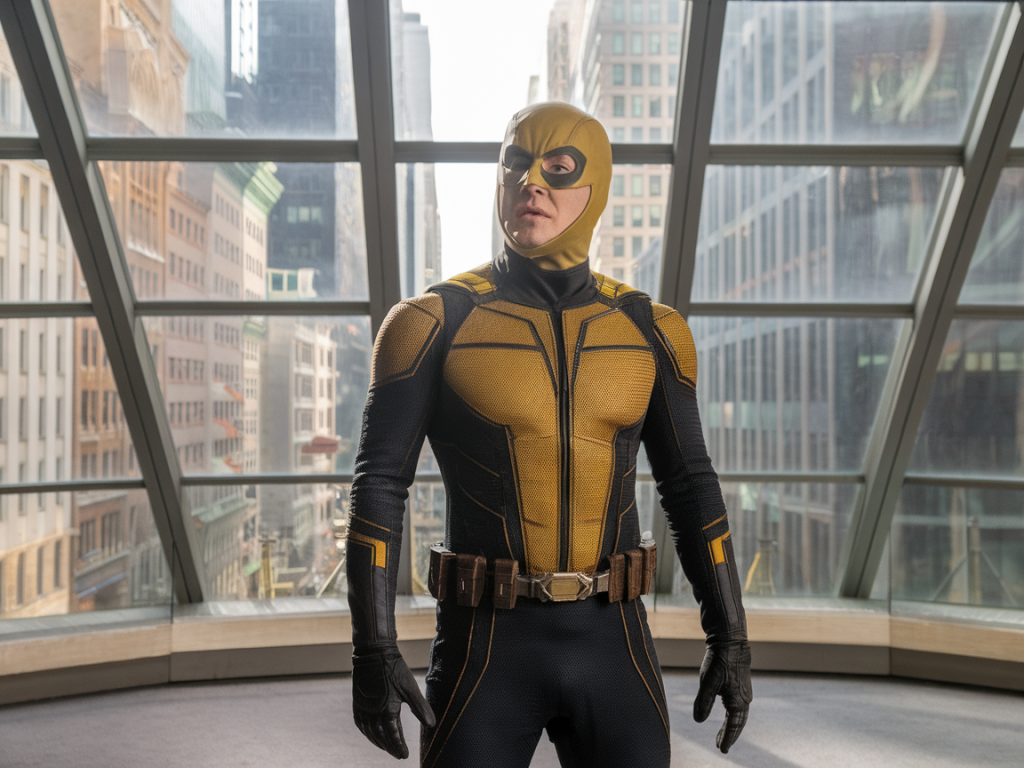
Trailers are a magic trick: they promise a whole story in sixty seconds and somehow make us feel like we already know the characters. One of my favorite sleights of hand is the treatment of characters who suddenly appear without masks or helmets in TV trailers — that brief, often dramatic unmasking that’s meant to land as a revelation. But having watched my fair share of trailers and premieres, I’ve learned those maskless moments are rarely what they seem. In many cases, they’re designed to hide more than they reveal.
Why maskless reveals feel so powerful
There’s a primal beat to a character removing a mask on screen: we get to see a face, and faces are the shortcut to empathy. In trailers, that beat is amplified by music, a close-up, and clever editing. The maskless reveal promises identity, motivation, vulnerability — and most crucially, narrative payoff.
But trailers are marketing tools first and narrative blueprints second. When a showrunners or studio wants to create a buzz without giving away plot twists, showing a face can be the perfect misdirection. The unmasked moment can be staged, rehearsed, and even constructed from footage that doesn’t exist in the same emotional context in the episode itself.
What maskless reveals are often trying to hide
- Plot mechanics: A close-up without surrounding context can suggest a revelation that the series doesn’t actually deliver at that moment, or ever.
- Character substitution: Trailers sometimes use footage of one actor while the episode intercuts another — or a stunt performer — to create a seamless moment that’s deceptive in real time.
- Costume and practical effects limitations: If a full mask or helmet would give away how cheaply something was executed, studios will avoid it in marketing and instead show the actor unmasked to sell the illusion of production value.
- Actor protection or continuity issues: Sometimes actors change between promotion and release (scheduling, reshoots, or creative changes). A maskless trailer shot can be a carefully timed promo image rather than a reliable scene.
- Peppering spoilers without payoff: A quick reveal can spoon-feed a hint — perhaps a scar or an expression — that seems meaningful until you realize the series never revisits it.
Techniques filmmakers and editors use to misdirect
To the casual viewer, a trailer feels cinematic and chronological. In reality, editors have many methods to ensure maskless shots sell a moment while hiding the true context.
- Selective framing: Close-ups that exclude background elements can make a trailer shot feel like it belongs to a different scene.
- Audio recontextualization: Using a line of dialogue from another scene over a maskless reveal can alter the perceived meaning dramatically.
- Color grading and sound mixing: These post-production tricks give a trailer shot emotional weight that may not exist in the final episode’s lighting or mix.
- Insert shots and facial doubles: Trailers often rely on insert shots — quick cuts that focus on the face — sometimes filmed separately with stunt doubles or body doubles to protect actors or create desired expressions.
- Out-of-order sequencing: The trailer’s structure doesn’t need to respect episode chronology; it can present an arc that’s largely impressionistic.
What this means for spoilers and expectations
I’m constantly reminding myself (and readers) that a trailer is a sales pitch. When a mask comes off in a teaser, it’s tempting to write thinkpieces, build theories, or scour casting lists for confirmation. But that’s where fandom energy can both shine and misfire.
Instead of treating every unmasked clip as a canonical reveal, consider these questions:
- Is the shot framed differently from the rest of the show’s visual language?
- Does the audio match what you’d expect from that moment?
- Could the unmasking be a metaphorical beat rather than a literal one?
- Is the trailer’s tone consistent with the series’ established approach, or is it trying to sell a different tone entirely?
Examples without spoiling
I won’t name specific plot points, but I’ll give examples of patterns I’ve seen across recent TV seasons that illustrate the trick.
- In a prestige sci-fi series, a masked character’s face was shown in the trailer with glowing, cinematic lighting. When the episode aired, that exact shot came from a reshoot meant for promotional stills — the scene in the episode used broader coverage where the mask lingered intact.
- A streaming superhero show used a close-up unmasking in its trailer to tease an identity reveal. In the series, the unmasking happens differently — it’s edited in fragments across multiple episodes and carries a far more subdued emotional payoff than the trailer implied.
- A period drama’s trailer featured an actor with a specific scar revealed after removing a mask. Fans fixated on that scar as a clue to lineage. In the show, the scar appears only in a flashback with different lighting, and its significance is intentionally downplayed.
How to watch trailers smarter (and enjoy them more)
I still watch trailers the way many of you do: on repeat, dissecting every frame and debating theories in comment threads. But I’ve gotten better at balancing curiosity with skepticism. Here are practical habits that help:
- Wait for the episode: If a reveal seems major, pause any speculative hot takes until you’ve seen the episode. You’ll save energy and avoid spreading misinformation.
- Look for “trailer-only” cues: Sharper color grading, unique camera lenses, or music that doesn’t appear in the show can signal editorial heavy lifting.
- Follow reliable production coverage: Sites like Fandomwire Co and reputable trades often note when footage used for trailers was shot as promotional material or during reshoots.
- Be wary of single-frame proof: Stills and screenshots can lie—context matters. A cropped frame may omit the surrounding beats that change meaning.
The creative side of misdirection
All that said, I don’t want to paint this as purely cynical. Misdirection can be a legitimate storytelling tool when done with care. A cleverly misleading trailer can enhance your later enjoyment by setting up expectations the show thoughtfully subverts. I’ve been delighted by series that use trailer misdirection to create a richer reveal journey.
My rule of thumb: be excited, not certain. Let trailers be teasers that spark conversation rather than definitive sources of truth.
How creators can use maskless reveals responsibly
From where I sit as someone who covers TV closely, there’s a middle path creators can take. If you’re a showrunner or a marketing lead, consider:
- Being transparent about “teaser” footage when possible — call it a “promotional scene” rather than a clip from episode three, for example.
- Using misdirection to complement the storytelling rather than replace it — teasers should build curiosity, not false promises.
- Engaging with communities post-release to explain choices; fans often appreciate authenticity and dialogue.
Maskless reveals in trailers are here to stay because they work. They sell moments, provoke discussion, and sometimes, they save production secrets. But if you’re trying to read the truth off a sixty-second montage, remember: every unmasked face is a carefully composed decision — and sometimes what’s being hidden is the story you think you’re seeing.