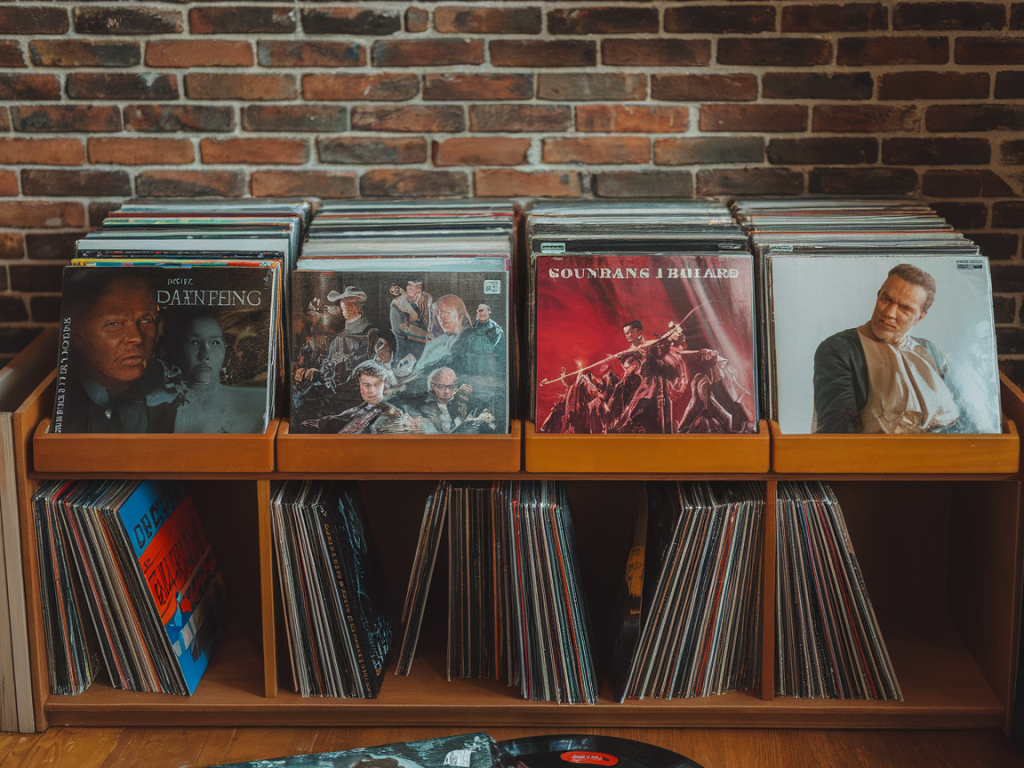
I’ve been collecting records long enough to remember when soundtracks were the odd cousins of rock and pop LPs — interesting, sometimes pricey, but rarely the breakout stars at record stores. Lately, though, I’ve been watching whole runs of soundtrack vinyl pressings sell out within hours, and then trade hands online for multiples of their original price. As someone who lives at the intersection of music, film, and fandom, I want to unpack what’s driving this surge and point you to the soundtrack pressings that feel like the smartest bets right now.
Why soundtrack vinyl are suddenly selling out
There isn’t a single explanation — it’s a perfect storm of cultural, economic, and production factors. Here are the main forces I’m seeing on the ground.
Nostalgia and franchise fever. Big franchises — Star Wars, Marvel, Blade Runner, Stranger Things — have fanbases that cross generations. When a beloved score gets a high-quality vinyl release, it becomes both a listening experience and a collectible artifact. People want a physical piece of the worlds they love.Vinyl’s broader resurgence. Vinyl sales have been climbing for a decade. As turntables become more common in homes again, demand outstrips the supply chain. Pressing plants are still capacity-constrained, so limited runs sell out quickly.Limited runs and variant culture. Labels often release multiple colored variants, picture discs, or numbered editions. Collectors — and speculators — buy multiple copies to secure the rarest variants. That scarcity model deliberately creates urgency.Soundtrack fandoms are growing online. Reddit communities, Discord servers, and Instagram/TikTok collectors’ posts hype drops in real time. A single influencer unboxing can spark a rush.Improved mastering and packaging. Labels like La-La Land, Mondo, Waxwork, and Decca now produce soundtracks with care: exclusive mixes, heavy vinyl, card sleeves, and liner notes. These are for fans who care about both sound and presentation.Cross-market interest. Video game soundtracks, anime OSTs, and TV scores have lifted the market. Gamers and anime fans are increasingly vinyl-savvy, bringing new buyers into the soundtrack ecosystem.Speculation as an investment. Some buyers see limited soundtracks as financial plays — a low-run pressing of a major composer or cult film can appreciate quickly. That mindset fuels quick sellouts and aggressive reselling.Which soundtrack titles make the best investments
Investment value depends on a few variables: cultural relevance, rarity, condition, and the reputation of the label or composer. Below I’ve grouped titles and categories that, from my experience, tend to hold or increase value.
| Title / Category | Why it’s a good pick | Typical Price Trajectory |
| Star Wars (Original Trilogy - John Williams) | Iconic composer + massive fandom; original pressings and limited editions remain collectible | Stable to appreciating — classics rarely drop |
| Blade Runner (Vangelis) | Cult status + sonic uniqueness; vintage pressings and numbered reissues spike | Strong appreciation for rare variants |
| Lord of the Rings / The Hobbit (Howard Shore) | Epic scale, collector interest in deluxe box sets and colored vinyl | Appreciating, especially sealed deluxe editions |
| Mondo or Waxwork limited runs (e.g., horror cults) | Small runs, high production values, marketed to collectors | Often high short-term flips; long-term depends on demand |
| Game OSTs (Zelda, Final Fantasy, NieR) | Young, dedicated fanbases; limited pressings sold via conventions or label shops | Rapid appreciation for first presses |
| Iconic composer rarities (Morricone, Ennio; early Williams; Jerry Goldsmith) | Collector halo effect; cult interest in earlier career works | Usually solid long-term gains |
| Anime OST first pressings (Cowboy Bebop, Evangelion, Studio Ghibli scores) | Cross-over international demand; scarcity outside Japan raises value | High appreciation for sealed/first pressings |
Note: "Typical Price Trajectory" is a general guideline — individual releases vary wildly.
Specific releases I’m watching
I follow both mainstream and niche drops. A few that have consistently moved the market or shown strong collector interest:
Mondo’s limited horror titles. Mondo has built a collector-first business model; their numbered runs and poster combos often sell out and show steep short-term appreciation.Waxwork’s deluxe horror and cult film soundtracks. Their packaging and colored variants attract buyers who want both display pieces and playable audio.La-La Land and Intrada pressings for film score aficionados. These labels specialize in expanded, archival editions — prized by completists.Video game vinyl runs tied to anniversary editions. When a publisher ties a soundtrack pressing to a remaster or anniversary, demand surges.Anime runs from Japanese labels. Limited prints in Japan that aren’t widely distributed overseas can fetch multiples abroad.How to spot a soundtrack worth buying (or flipping)
If you want to be smart about purchases, treat soundtrack vinyl like any collectible: do your homework.
Check the run size and variant breakdown. Numbered editions and tiny press counts matter. A 500-copy run will behave differently than a 5,000-copy run.Research the label and press plant. Some labels have reputations for quality and for producing truly limited runs. Pressing plants sometimes note the mastering engineer — names like Bernie Grundman or Ryan Smith can move buyers.Follow pre-order channels. Many worthwhile pressings drop via direct-to-consumer shops (Mondo, Waxwork, Bandcamp) or via Record Store Day. Signing up for newsletters and Discord servers helps.Condition matters. For resale value, sealed copies are king. For listening, graded VG+ and above with clean sleeves will preserve value.Be wary of speculation traps. Not every limited release appreciates. Some mass-market reissues or poorly received color variants flood the secondary market and don’t hold value.Where to buy and where to sell
My go-to hunting grounds and sale channels:
Bandcamp and official label shops for authentic, first-hand drops.Local record stores and record fairs — sometimes the best steals happen offline.Discogs for pricing history, variants, and marketplace sales data.eBay for quick listings; use sold listings to gauge market value.Specialist social groups (Facebook buy/sell groups, Reddit’s vinyl communities) for niche or cross-border deals.If you’re after authoritative drops and coverage on soundtracks and collector culture, you can also keep an eye on sites like Fandomwire Co (https://www.fandomwire.co.uk) where I and other writers track pop-culture releases and trends that intersect with fandoms and collectors.
Practical tips I follow
Decide if you collect to listen or to invest. That shapes what you buy and how you store it.Keep a simple catalog (I use Discogs) so you know what you own and what your copy is worth.Store records vertically, avoid sunlight, and keep sleeves intact to preserve value.Buy what you love first. The market can be fickle; if you enjoy the music, the purchase is rarely regrettable.I’ve seen soundtracks go from niche curiosity to headline-grabbing sellouts, and it’s been a fascinating shift to watch. Whether you’re collecting for the love of a score or playing the market, the soundtrack vinyl scene is one of the most dynamic corners of vinyl culture right now — and it’s only getting more interesting as gaming, anime, and streaming-driven series continue to build passionate followings.