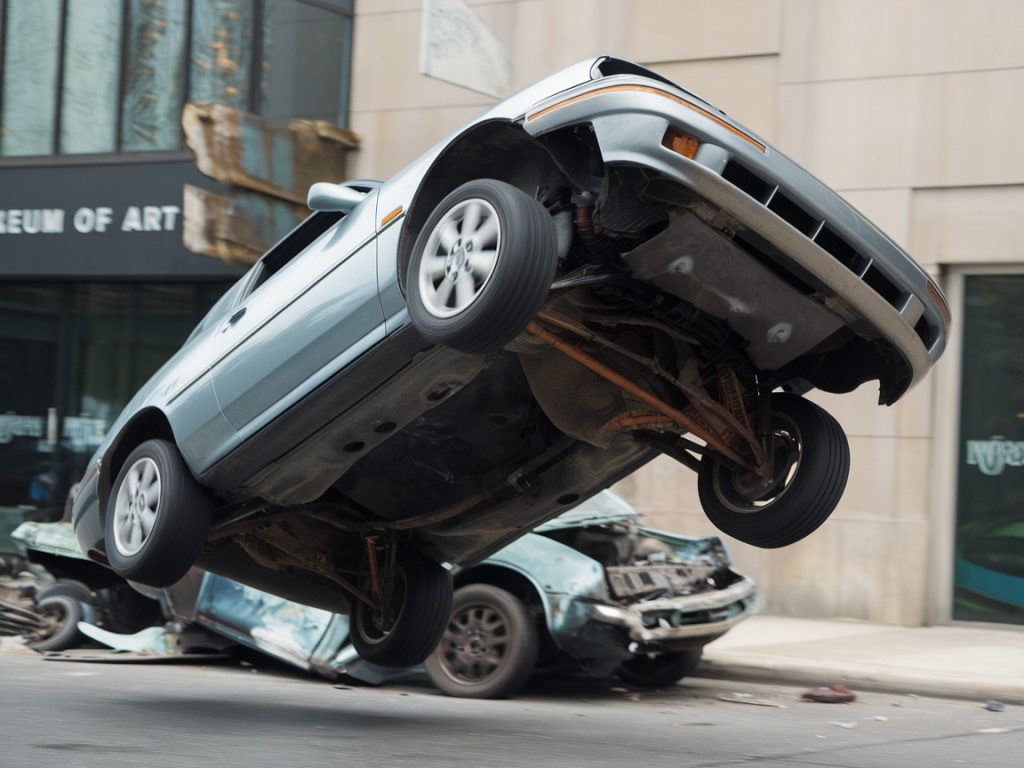
I still remember the first time practical effects genuinely blew my mind: a late-night screening of John Carpenter’s The Thing on VHS, the kind of distorted transfer that somehow made the creature feel even more obscene and real. That tactile, gross, uncanny presence stayed with me. Decades later, we live in an era where CGI dominates tentpoles, yet every time a blockbuster leans into practical effects — animatronics, prosthetics, miniatures, in-camera pyrotechnics — it lands differently. It feels lived-in. It feels dangerous. And as someone who covers film obsessively, I think practical effects still matter more than many studios admit.
Why practical effects create a different kind of believability
CGI can do things no physical effect ever could: realistic crowds, whole alien worlds, gravity-defying stunts. But there’s a quality practical work brings that pixels struggle to mimic — physical interaction. When an actor is hitting a physical mark because a prosthetic hand is there, when sweat, slime, or wind actually hit their face, the camera captures those micro-reactions. Those tiny, involuntary beats make performances feel honest. I’ve seen this across indie festival winners and big-budget franchises alike.
Practical effects also occupy the same physical space as the camera. Light bounces off an animatronic the way it would in the real world. A miniature city shows the same imperfections and texture that real materials do. That interplay between light, shadow, and physical material creates depth that—when done well—CGI often has trouble replicating without massive time and resource investment.
The psychology of touch and audience trust
Humans are tactile beings. Even when watching a movie on a screen, our brains are primed to accept textures and physical cues as anchors of reality. Practical effects exploit that. When a puppet blinks, when a suit creaks, we accept the object as present. There's an internal suspension of disbelief that is easier to obtain with something tangible. For many viewers this leads to an emotional connection that’s a hair stronger than what digital-only effects typically achieve.
Performance-driven advantages
Directors who prioritize actors’ interactions with real elements often report more spontaneous, grounded performances. Consider the difference between reacting to a tennis ball on a stick and reacting to a photorealistic creature rendered in post-production. The former solicits real spatial and tactile cues. The latter asks an actor to imagine. Both can produce great work, but practical setups give performers extra sensory information that can elevate a scene.
When practical shines in modern blockbusters
There are recent tentpoles that married practical effects with CGI hybrid approaches to spectacular effect. George Miller’s Mad Max: Fury Road leaned heavily on real stunts, full-scale vehicle rigs, and pyrotechnics. The result was visceral and immediate. Christopher Nolan’s penchant for in-camera effects — from IMAX film choices to real explosions and full-scale sets — gives his collisions and crashes a weight pure CGI usually lacks.
Even franchises that are overwhelmingly digital still benefit from in-camera touches. The newest Star Wars films and shows routinely mix animatronics and puppetry (I’m thinking BB-8 and Chewbacca-era suits) with heavy digital work, and fandom responds. Practical elements are a way to anchor an otherwise vast digital sea.
Practical effects sharpen filmmaking craft
Working with physical effects forces a director, DP, and editor to think differently about composition, blocking, and coverage. Lighting a practical creature requires previsualization of reflectivity and color temperature. A practical rig dictates camera placement and motion in ways that can create unique shots not easily achieved with greenscreen. That constraint is often creative fuel rather than a limitation.
Cost, time, and the sustainability argument
There’s a misconception that practical effects are always more expensive and slower. Sometimes they are. Large animatronics, miniature building construction, or complex prosthetic suites take skilled artisans and time. But so does top-tier CGI. High-end digital creatures can require massive render farms, months of animation, and endless iterations. In certain cases — particularly where intimate close-up interactions matter — practical can be faster and even more cost-effective.
There’s also an argument about sustainability. Long rendering times and server farms consume energy. Skilled practical teams reuse and repurpose materials when possible. That doesn’t make practical inherently eco-friendly, but it’s a factor bigger productions are beginning to weigh.
Fans, authenticity, and cultural memory
Fans notice. I watch social feeds and forum threads where viewers celebrate a practical creature or a real-location set because it feels authentic. Practical effects become part of a film’s cultural identity. Practical makeup from The Lord of the Rings, the creature work in Alien and The Thing, and the original Jurassic Park animatronics are frequently cited in the same breath as a film’s story and performances. They become referential touchstones for future creators.
Where practical fails and hybrid is the sweet spot
It’s not a binary. Practical effects have limitations — scale, mobility, and complexity can push filmmakers toward digital solutions. An ocean of CG whales swims where mechanical whales would be impractical. But the truly exciting trend is hybridization: blend practical bones with digital flesh. Use animatronics for physical interaction, and enhance movement or environment digitally where needed. That approach combines the best of both worlds: tactile presence plus CGI’s limitless possibilities.
Examples I keep coming back to
- Jurassic Park — A perfect early example of hybrid work: mechanical T. rex for close-ups, animatronic skin and movement, CGI for full-body motion. The result still holds up.
- The Thing — Entirely practical, and still organ-punchingly effective because of the grotesque inventiveness and craftsmanship.
- Mad Max: Fury Road — Real stunts and rigs created an on-screen chaos that CGI would have flattened.
- Rogue One — Used practical sets and models to anchor a galaxy full of digital characters and environments.
| Aspect | Practical | CGI |
|---|---|---|
| Physical interaction | High | Variable |
| Flexibility of change | Limited on set | High in post |
| Tactile light/reflection | Natural | Simulated |
What I want to see more of
I want studios to stop framing the choice as practical versus digital and start asking: what serves the story and the actors best? Smaller practical touches can dramatically improve a scene’s emotional truth. Invest in artisan teams, support practical workshops, and give directors the budget and time to experiment on set. As fans and critics, we should reward films that use both tools thoughtfully.
Ultimately, practical effects matter because they make movies feel like objects in the world we inhabit, not just simulations on a screen. When filmmakers treat physical effects as an equal partner to CGI, we get films that feel richer, performances that feel truer, and moments that stick with audiences. That’s why, for me, practical effects remain essential to blockbuster cinema — not as nostalgia, but as a living, evolving craft.