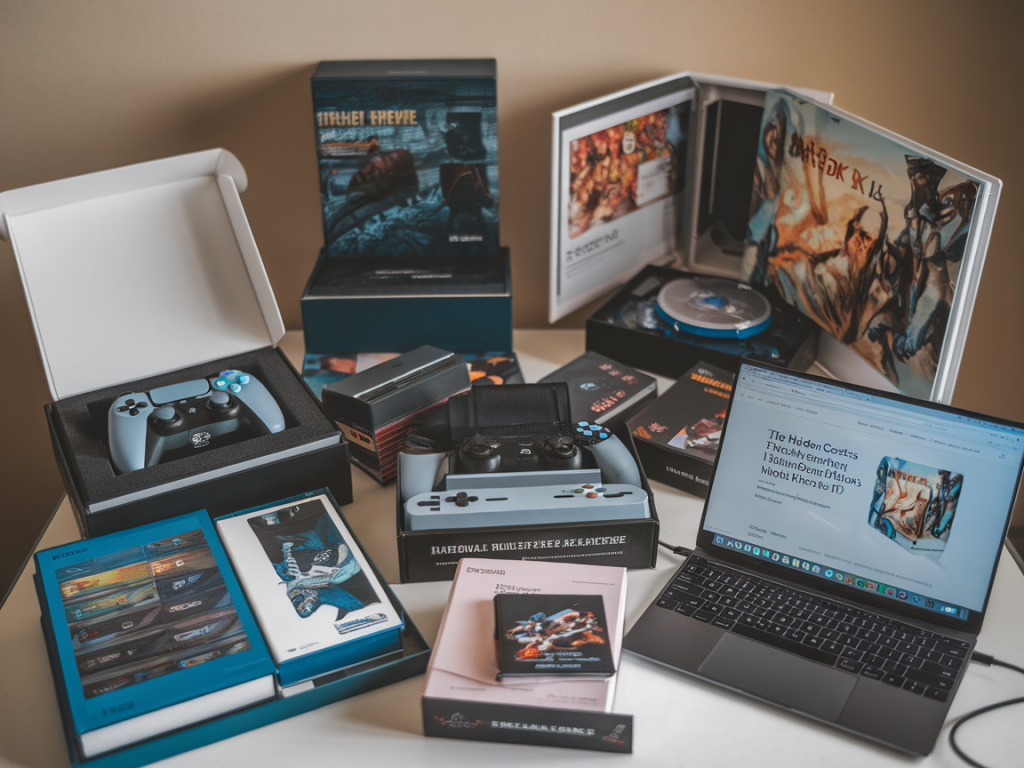
I still remember the thrill of preordering a deluxe edition of a game because of one flashy trailer and a promise of "exclusive early access." For live-service titles — the ones that evolve over months and years with seasons, events, and microtransactions — that impulse is even stronger. As someone who plays a lot of ongoing games and covers the industry closely, I've learned the hard way that the sticker price of a deluxe edition is rarely the whole cost. Here's a practical, personal take on the hidden costs of preordering deluxe editions for live-service games — and a clear checklist for when splurging might actually be worth it.
What do people usually mean by "deluxe" for live-service games?
Deluxe packages vary, but common inclusions are:
Exclusive cosmetics (skins, emotes, banners)In-game currency bundles or season passesXP boosts or progression acceleratorsEarly access to content or founders' packsDigital artbooks, soundtracks, or physical collector itemsAll of these sound tempting, especially when a marketing page frames them as "limited" or "founder's rewards." But the reality of living with a live-service ecosystem means the calculus is different from buying a single-player game outright.
The hidden financial costs
Beyond the upfront price, here's what I always weigh before I click preorder:
Microtransaction overlap: Many deluxe editions include currency or cosmetics that later appear in the store. You might overpay for items that become cheaper or resurface in a battle pass.Dupes and redundancy: If you already play the game, you might receive skins or items similar to what you already own. That feels worse than buying something new.Seasonal economy inflation: Live-service games often inflate prices over time or add premium tiers, making your early purchase less valuable in hindsight.Time-limited value decay: XP boosts or early-access weekends are only valuable if you actually have the time to play. Real life can make these perks worthless.Account/service risks: Server shutdowns, bans, or account issues can make paid extras inaccessible. I once had a cosmetic disappear due to a merge bug — losing the item felt worse than the refund process.Platform and cross-progression pitfalls: Deluxe content may be platform-locked or not fully transferable between systems, causing you to buy duplicates if you change platforms.Community-driven market effects: In games with player-to-player economies or trading, a deluxe item can quickly lose rarity when other players find ways to replicate it.The gameplay and emotional costs
Money isn't the only thing at stake. In my experience, deluxe editions can affect how you experience the game:
Expectation inflation: Paying for "founder" status raises expectations for ongoing developer communication and content cadence. When the devs miss milestones, the sting is sharper.Entitlement to content: Buying a premium edition sometimes leads players to expect perpetual advantages — and when those advantages are rolled back or nerfed, frustration follows.Social pressure: If your friends are invested in seasonal content, you might feel compelled to keep up, turning a one-time purchase into a long-term expense.Less satisfaction from organic progression: XP boosts and shortcuts can short-circuit the joy of unlocking things naturally, which matters in games designed around steady reward loops.When preordering a deluxe edition actually makes sense
I don't want to be purely doom-and-gloom. There are clear, defensible reasons to buy deluxe editions of live-service games — if you check certain boxes first. Here's what I look for:
Developer track record: Studios like Bungie (for Destiny), Digital Extremes (for Warframe), or Respawn (for Apex Legends) have varying reputations. If a developer consistently delivers content and supports players fairly, I'm more willing to invest upfront.Meaningful, permanent items: If the deluxe package includes unique cosmetics that are guaranteed to remain exclusive or physical collector items, the value is clearer.Transparent roadmaps and refunds: If the publisher shares a robust roadmap and has a fair refund policy for preorders, I feel less like I'm buying a pig in a poke.You actually play enough: An XP boost or season pass is worthless if you can’t log hours. Be honest about your available playtime.Community perks that matter to you: Founder servers, Discord access, in-game voice channels, or developer Q&A can be worth it if you value that community connection.Support for indie or niche projects: Sometimes preordering deluxe content is a way to support a small studio you trust. If you care about the devs staying independent, that's a valid reason.Questions players ask — answered
Is it a scam if deluxe items return later? Not always. Some developers rotate cosmetic offerings intentionally to avoid fragmenting the player base. That can upset early buyers, but it's not inherently fraudulent unless the studio promised permanent exclusivity and then broke that promise.
Are XP boosts pay-to-win? Mostly no, for cosmetic-focused live-service games. For competitive titles where progression affects power, boosts and accelerators can tilt balance. I avoid deluxe preorders for any live-service shooter or RPG where purchased progression can meaningfully change competitive balance.
Do refunds work? It depends on your platform and region. Steam, PlayStation, Xbox, and Epic have different policies; always check before you buy. I once refunded a deluxe upgrade on Steam after realizing all meaningful perks were time-limited — it was painless, but not all platforms are that forgiving.
Quick decision checklist
| Question | Yes/No |
| Does the developer have a strong support history? | |
| Are the perks permanent or time-sensitive? | |
| Will you actually play enough to use boosts/currency? | |
| Is content transferable across platforms/accounts? | |
| Are refunds clearly available? | |
| Are you buying to support an indie dev you care about? | |
If you answered "yes" to most of those, the deluxe edition is more likely to be a sensible buy. If the answers are mostly "no," consider waiting: deluxe items often go on sale, appear in bundles, or become less relevant as a game's meta evolves.
Final practical tips from my experience
Wait for player feedback on launch weekend. Early adopters will flag broken perks or misleading claims faster than any marketing campaign.Prefer packages with physical items or non-consumable digital goods if you're indecisive; those hold value better long-term.Track community sentiment on Reddit, official forums, and Twitter/X — you’ll quickly learn if a studio overpromises.Set a personal "buy threshold": a price point and feature minimum that justify preordering for you. Stick to it.Buying deluxe editions for live-service games can be deeply satisfying when done with eyes open. It's equally easy to feel buyer's remorse when a promised perk turns out to be a short-lived convenience or the item you prized becomes trivial. My advice: treat deluxe preorders like a long-term relationship — check the dev's reputation, know what you'll actually use, and be ready to walk away if the deal doesn't stand up to scrutiny.