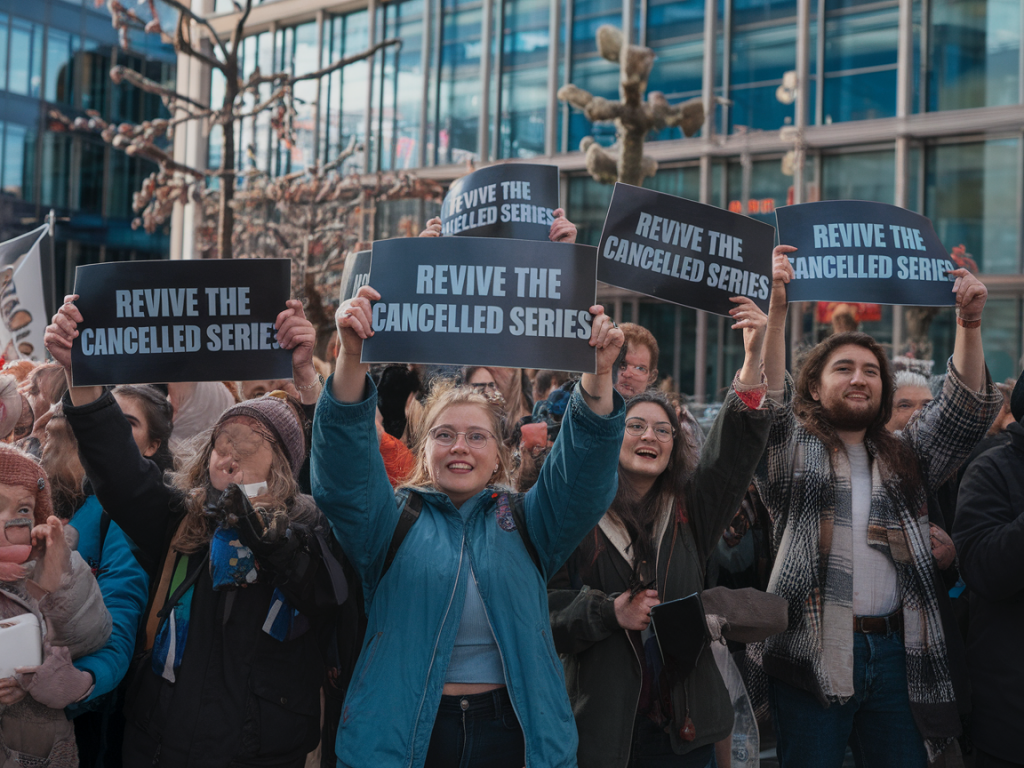
I’ve watched enough fandom-driven rescue missions to know there’s a sweet, intoxicating moment when a subreddit catches fire: memes proliferate, fan art floods timelines, and a hashtag feels like a heartbeat. As someone who lives at the intersection of fans and the industry, I get asked all the time: Can grassroots subreddit campaigns realistically force a streaming platform to revive a cancelled series? The short answer is: sometimes — but rarely just because of noise. The long answer is messier, and that’s the one I want to walk you through.
What actually moves the needle for platforms?
Streaming services don’t greenlight shows based on passion alone; they operate on data, rights, and risk. Platforms consider:
- Viewership and retention metrics: How many people watch, and whether those viewers stick around for multiple episodes or seasons.
- Subscriber acquisition/retention: Does the show attract new subscribers or keep existing ones from churning?
- International performance: Many cancellations are domestic-only calculations — strong global audiences can change the math.
- Cost vs. revenue profile: High-cost productions with niche audiences are harder to justify.
- Licensing and IP ownership: Who owns the show matters. If the original studio owns it, another streamer can buy or co-produce; if the network controls international rights, options are limited.
So while a subreddit can generate attention, platforms are ultimately swayed by measurable, monetizable impact. That’s why attention needs to be channelled into evidence that a fandom translates into dollars (or at least a sustained, measurable audience).
When did fan campaigns actually work?
There are examples that give us a blueprint. The Expanse is one of the better case studies. After Syfy cancelled the series, a massive campaign — including viral campaigns across Reddit and Twitter, cast amplification, and the visibility of passionate fans — helped demonstrate demand. But the crucial factor was that the show already had strong international sales and a clear audience. Amazon wasn’t rescuing it out of sentiment; they saw a ready-made, globally appealing sci-fi series that fit Prime Video’s content strategy.
Lucifer moved from Fox to Netflix after a chaotic, high-profile campaign that involved social media, trending hashtags, and cast engagement. Netflix’s decision had as much to do with binge-friendly appeal and the show’s proven streaming performance on Netflix as it did with the noise. Brooklyn Nine-Nine’s revival at NBC, while not a streaming example, also reflected a mix of vocal fandom and business sense — advertisers and network executives saw the show’s value.
Contrast those wins with shows that didn’t make it: Sense8 had a massive, vocal global community, but Netflix concluded the show’s production costs and viewership didn’t justify continuation. Even intense fandom couldn’t overcome the economics.
What can a subreddit campaign realistically achieve?
A subreddit can be powerful if it turns enthusiasm into proof. Here’s what actually matters:
- Coordinated streaming boosts: Organised watch parties and reminders to stream on the platform where the show’s metrics matter. Random retweets won’t move internal dashboards; concentrated, repeat viewership can.
- Subscriber-focused messaging: Framing the campaign as “we’ll subscribe or renew if the show returns” is more useful than generic petitions.
- Data collection: Surveys, sign-ups, or even fundraising demonstrate serious commitment. Studios and streamers love numbers they can vet.
- Press and influencer amplification: Viral content that makes mainstream outlets report on the fandom increases perceived cultural relevance.
- Creator and cast involvement: When showrunners and actors publicly ask their audience to support a revival, platforms notice because it reduces marketing friction for relaunching.
Practical steps a subreddit should take
If you’re in a community trying to save a show, here’s a playbook that goes beyond memes:
- Understand the ownership: Figure out who owns the IP and distribution rights. If the network owns it, another platform can still pick it up, but negotiations look different than if the original studio owns it outright.
- Consolidate your metrics: Run surveys, collect email addresses, and quantify how many people would pay for the show. Numbers beat noise in meetings with platform content buyers.
- Organize viewing events on the right platforms: Encourage streaming on the platform that counts. If the show is available on Netflix, drive streams there rather than YouTube or piracy sites.
- Engage press strategically: Get local and entertainment outlets to cover the campaign; platforms read press coverage and notice public interest spikes.
- Use targeted ad buys: If you can crowdfund, consider a small ad campaign targeting decision-makers with the fandom’s message — it’s direct and measurable.
- Be creative and persistent: Donate to a relevant charity in the show’s name, create art installations, or stage stunts that get on the cultural radar — do things that demonstrate real-world commitment.
Obstacles you’ll face
There are hard constraints no amount of Reddit fervour can always overcome:
- Opaque streaming metrics: Platforms guard internal viewership and engagement data. Demonstrating a fandom’s size externally is helpful but not definitive.
- Financial realities: If a show is very expensive, a platform may balk even if fans are numerous.
- Timing and contracts: Actors may sign new projects, rights can lapse, and the window to revive a show can close quickly.
- Creative direction: Sometimes creators choose to move on, or the creative team can’t be reassembled, and platforms don’t want to continue without original talent.
Examples of alternative success paths
Not all revivals need a streamer to reverse a cancellation. Fans can push for alternative models:
- Crowdfunded continuations: Veronica Mars and Critical Role leveraged fans to fund new content. That model works better for smaller-scale projects or when the fanbase is intensely committed and able to pay directly.
- Studios licensing to international platforms: Shows can find second life overseas where demand is higher, and revenue streams change the calculus for a new season.
- Film finales: If a full season isn’t realistic, negotiating a film or special (as with some cancelled series) can provide closure and is cheaper to produce.
At the end of the day, a subreddit’s power is real when it becomes a tool for proving value, not just signaling desire. Platforms respond to demonstrated demand tied to business outcomes: subscriptions, retention, international reach, or cost-effective content. As fans, our job is to turn passion into proof — to show that our collective attention is not ephemeral, but a measurable asset that a streamer can monetize or use strategically.
That’s why the most successful campaigns combine creativity with practical metrics: coordinated streams, press coverage, organized sign-ups, and smart outreach to creators. If your subreddit can do that, you’ll be taken seriously. If you’re only posting memes and hashtags, you’ll feel cathartic solidarity — which is valuable in its own right — but it’s unlikely to tip the scales.