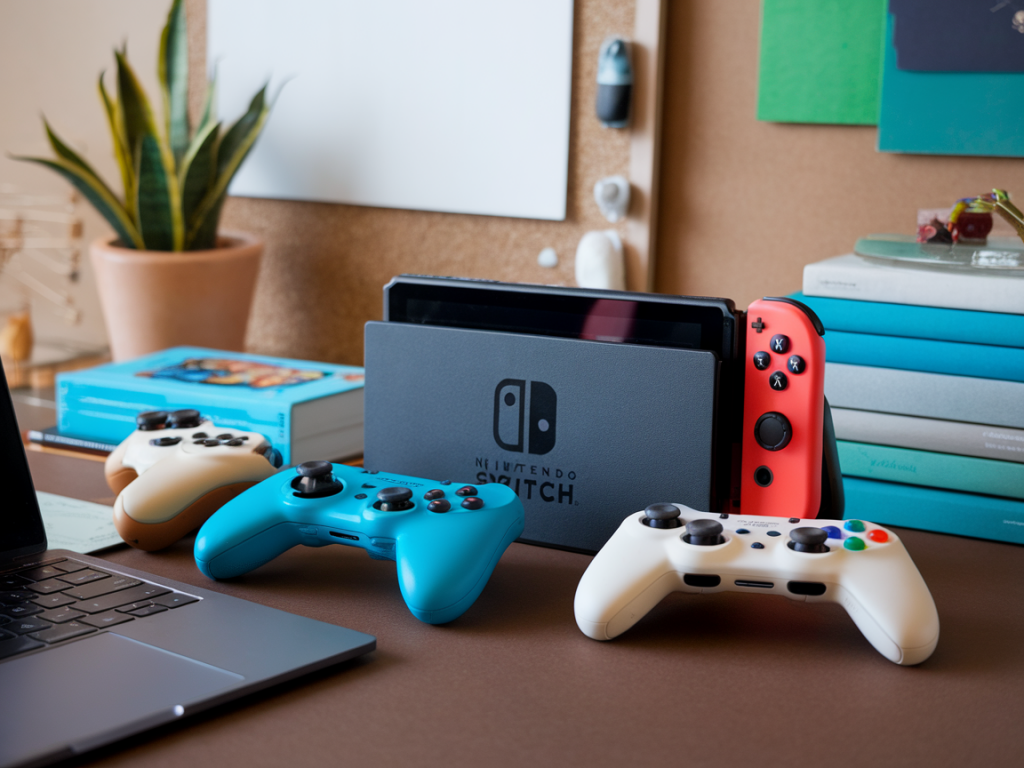
I’ve been following Nintendo’s hardware cycles for years, and every time the company hints at a new handheld, the indie scene collectively holds its breath. From the DS’s twin-screen inventiveness to the Switch’s hybrid freedom, Nintendo’s platforms don’t just shape first-party ambitions — they rewrite the playbook for independent developers. With rumors and leaks swirling about “Nintendo’s next handheld,” I’ve been thinking a lot about how such a device could change the way indie studios plan launches and manage post-launch support.
Platform expectations shape everything
First off, developers don’t build in a vacuum. The hardware’s input methods, performance envelope, store policies, and audience expectations all feed into decisions about scope, monetization, and support timelines. For indies, where budgets and teams are tight, predicting those variables is crucial. If Nintendo’s next handheld pushes performance, adds new inputs (think haptic feedback, improved motion, or an upgraded touchscreen), or changes the balance between handheld and docked modes, that will force studios to make new technical and design choices earlier in development.
For example, when the Switch launched, it created a massive market for “cozy” local multiplayer games, asymmetric experiences, and titles that could be picked up for short play sessions. Indies that leaned into these strengths — Stardew Valley’s portability, Untitled Goose Game’s bite-sized chaos — saw outsized traction. A new handheld with different strengths would similarly redirect what kinds of indie games become breakout hits.
Launch planning: timing, marketing, and certification
One immediate impact is on launch timing. Nintendo’s platform holders have a distinct certification process and often staggered windows for digital promotions, physical releases, and eShop visibility. Indie teams must adapt their milestones to those rhythms.
If the next handheld introduces a new storefront UI, priority algorithms, or a different featured content strategy, indies will have to rework marketing plans. I’d expect three practical changes:
Design choices influenced by hardware features
Hardware features directly shape design decisions. If Nintendo’s new handheld emphasizes cloud features, cross-save, or Play-as-you-Go style streaming, indies will be pushed toward supporting cross-platform saves and modular downloads. Conversely, if it’s focused on local play and superior battery life, the emphasis shifts to optimization and compact session design.
Consider these scenarios:
Post-launch support and live operations
Post-launch looks different for indies compared to AAA studios. Patches must be small, schedules predictable, and community communication consistent. The new handheld could change that in meaningful ways.
If Nintendo enables easier rollouts (faster patch approvals, staged deployments), indies gain agility: hotfixes can land quickly, and developers can iterate in response to player feedback. That’s huge for smaller teams who rely on a steady cadence of updates to maintain momentum.
On the other hand, if the platform remains strict about patch approval or if new features require platform-side updates (think firmware-level integrations), studios will need to build longer buffers into their support plans. It becomes essential to:
Discoverability and monetization shifts
Nintendo’s ecosystem historically rewards strong first-party signals and curated store placements. For indies, securing visibility often means timing your release around platform interest. A new handheld could alter the discoverability landscape through changed storefront algorithms, curated sections, or new promotional tools (e.g., temporary free demos, featured tiles for hand-held-optimized games).
Monetization strategies will adapt accordingly. If the handheld supports more flexible trial/demo options or micro-updates, indies might rely more on demos to convert players. If Nintendo introduces new in-store promotional mechanics (discount pools, featured tags tied to hardware features), studios will need agile pricing strategies to capitalize on those opportunities.
Community and ecosystem effects
One of the less-obvious impacts concerns communities. Handheld launches often rejuvenate gamer communities and content creators. Streamers and YouTubers eager to showcase new hardware will spotlight titles that exploit novel features, and that ripples back into sales.
Indies can lean into this by prioritizing creator-friendly features: quick demo loops, photo modes, shareable highlights, and performance options that make streaming easier. If Nintendo’s next handheld has built-in social sharing or hardware-accelerated capture, games that integrate those systems will enjoy amplified word-of-mouth.
Risk management: scope, teams, and partnerships
For many indie studios, the safest route is modularity. Build a core experience that works well on existing platforms, then gate platform-specific enhancements behind optional post-launch patches. This reduces upfront risk while still allowing teams to capitalize on a new platform’s launch buzz.
Another strategy I’ve seen work is to secure manufacturing or retail partners early if a physical release is in the plan. If Nintendo’s new handheld encourages a wave of boutique physical releases (cartridges, limited editions), those partnerships become essential and time-sensitive.
| Challenge | How indies should respond |
| New input systems | Prototype early, decide whether to integrate or offer optional support |
| Stricter patch windows | Implement robust QA, prioritize hotfix readiness, and batch non-critical changes |
| Changed discoverability | Align marketing with platform timelines and secure platform features/demos |
| Performance expectations | Budget optimization time and test across performance modes |
Ultimately, Nintendo’s next handheld will create both headaches and opportunities. It will force indies to rethink technical baselines and certification timelines, but it will also open fresh ways to stand out through clever use of hardware-specific features and thoughtful post-launch support. As someone who loves both hardware innovation and the nimble creativity of indie teams, I’m excited to see which studios adapt fastest — and which titles will define the handheld’s identity for players and creators alike.