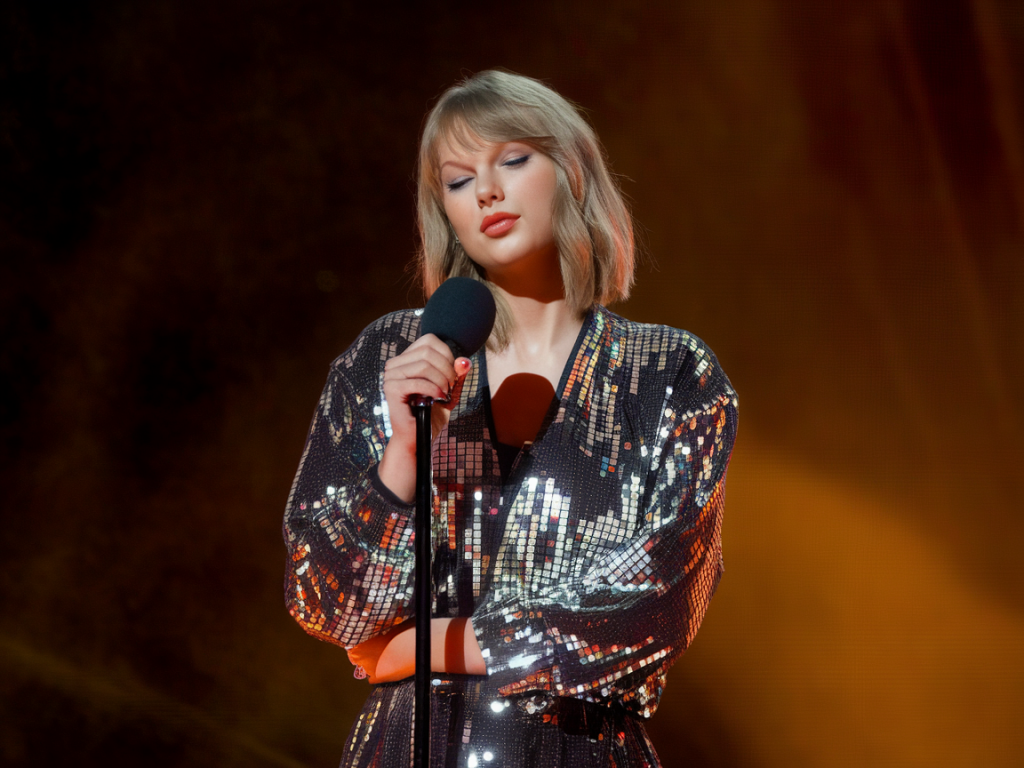
When Taylor Swift started releasing "vault" tracks alongside her re-recorded albums, I wasn't the only one who leaned in. As a fan and a critic, I found myself asking the same question again and again: do these previously shelved songs change the way we judge an album's cohesion? In other words, can a handful of outtakes and demos, resurrected years later, reshape both fan attachment and critical assessment of a record originally released as a tight artistic statement?
What are vault tracks, really?
Taylor’s vault tracks—those songs labeled as “From the Vault” on albums like Fearless (Taylor’s Version), Red (Taylor’s Version), and 1989 (Taylor’s Version)—are officially unreleased songs from the original album sessions. They were written around the same era as the album’s core material but didn’t make the final cut for various reasons: thematic mismatch, runtime, or simply subjective taste. When she re-recorded her albums, she released those songs alongside the main tracklist, reframing the associated record as a broader archive rather than a single sealed product.
How vault releases affect fan perception
For fans, vault songs are a gift and a puzzle piece. They satisfy curiosity ("what else did she write during that period?") and deepen the emotional map of an album era. I've watched fan communities—on X, Reddit, and Discord—debate where each vault song “fits” in the original narrative. Some songs slot seamlessly into the album’s themes, while others feel like stray polaroids offering context rather than continuity.
There are a few fan reactions I notice repeatedly:
- Embrace: Many fans treat vault tracks as canon expansion. They update playlists, fan theories, and sentimental rankings, and sometimes a vault song becomes a new favorite.
- Nostalgia Amplification: Vault songs often deepen the nostalgia around an album era—especially when they reference people, places, or production choices tied to the original release.
- Collector Behavior: Vault releases encourage physical purchases and special editions (Target exclusives, vinyl box sets, and Spotify playlists with liner notes become sought-after). Fans want the "whole story" packaged together.
How critics respond: re-evaluation or resistance?
Critics operate with a slightly different vocabulary. Album cohesion is a long-standing metric: does a record present a consistent tone, narrative arc, or sonic palette? Vault songs complicate that assessment in two ways.
First, they force a re-evaluation of editorial choices. If a vault track is clearly superior to something that made the original tracklist, it prompts questions about why it was left off. Critics may dig into studio logs, interviews, and session credits to explain the omission. That can make the reissue era richer for analysis, turning a simple review into an archival inquiry.
Second, vault tracks can dilute an album’s thesis. Albums that were notable for their tight pacing or single-minded concept can feel bloated when retroactively loaded with extra material. For critics who value restraint and sequencing—think of classic reviews that praise an album's arc—this can lower the score or change the language of the appraisal. Conversely, if the vault material strengthens themes, critics may lift the album’s standing in retroactive assessments.
Examples that matter
Look at Red (Taylor’s Version). The original 2012 album already had a sprawling emotional range—from radio-ready hooks to sweeping ballads. Adding 10 vault tracks in 2021 did two things: it turned the album into a career documentary of mid-2010s Taylor, and it created a second-level listening experience where fans parse which songs belong in the "official narrative" and which belong in the "archive."
On the other hand, 1989 (Taylor’s Version) included vault songs that sounded sonically cohesive with the original synth-pop palette, so critics were more likely to accept the expanded edition as an enriched, not diluted, version of the album. That variance suggests the effect of vault tracks depends heavily on production choices and sequencing.
Does the timing of release change critical weight?
Yes. A vault song released concurrently with the album—especially on a re-recording—comes wrapped in intentionality. Taylor and her team decide how to present it: where it appears in the tracklist, whether it gets a music video, and how it's marketed to streaming platforms. Those choices influence both fan perception and critical framing.
Vault songs released as stand-alone singles or as part of deluxe editions later on can feel like bonus content rather than canonical material. Critics tend to treat these differently: a contemporaneous inclusion with thoughtful sequencing makes the song a participant in the album’s argument; a late, scattershot release looks like an extra perk for fans but not a reason to rewrite critical consensus.
Is album cohesion still a meaningful standard in the streaming era?
The streaming age has already shifted our standards—albums compete with playlists and single-track virality. Vault releases accelerate that change. When an artist like Taylor Swift releases multiple definitive versions of the same album (original, re-recorded, deluxe with vault tracks), each iteration becomes a different product for different listeners.
For hardcore listeners and critics, cohesion still matters—it’s a way to judge intention, sequencing, and the artist’s ability to craft a narrative. But for many casual listeners, the vault songs function more like bonus scenes on a DVD: delightful, context-building, and optional. That bifurcation means artists can simultaneously appeal to both camps: keep a tight original for narrative fidelity and use the vault to satiate archival curiosity.
Practical implications for the industry
- Streaming metrics: Vault tracks contribute to streaming totals and chart positions, often introducing older eras to new listeners and extending the commercial lifecycle of an album.
- Merch and physical sales: Retailers like Target and HMV often sell exclusive vinyl or deluxe packages that include exclusive vault content or artwork, driving physical sales in an otherwise digital market.
- Tour setlists and branding: Vault tracks can find new life in live performances, becoming fan-favorite deep cuts that help diversify setlists across long tours.
What I think—and what I listen for
My own listening practice is split: when I sit down to experience an album as an album, I usually play the original sequencing first. I want to feel the argument the initial release made. Then I listen to the vault tracks in sequence, as an appendix. That approach preserves the integrity of the original while acknowledging the value of the archive. Sometimes a vault song rewrites my understanding of the album—maybe it reframes a recurring lyrical image or clarifies a tonal shift. Other times, it’s a welcome fragment: interesting, emotionally resonant, but ultimately outside the album’s core thesis.
| Aspect | Original Album | Album + Vault |
|---|---|---|
| Perceived cohesion | Tight, intentional | Broader, archival — can be cohesive or diffuse |
| Critical framing | Focused critique on themes and sequencing | Renewed analysis, sometimes revisionist |
| Fan engagement | Memorable era identity | Deeper lore, collectible interest |
Ultimately, vault releases push us to be more flexible in how we value albums. They don’t erase cohesion as a critical virtue, but they remind us that albums are often the outcome of editorial choices—some brilliant, some pragmatic. Vault tracks are evidence of those choices, and they demand we pay attention to what got left on the cutting-room floor.