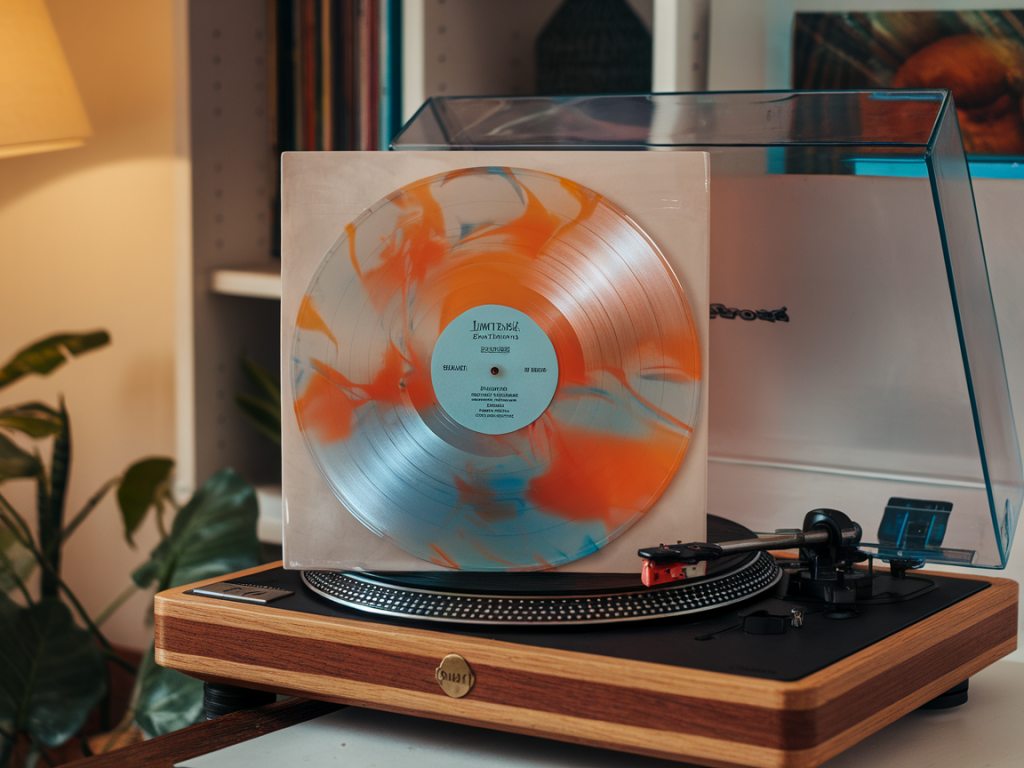
I still remember the first time I shelled out for a limited-run soundtrack vinyl: a translucent blue pressing of a cult film score that arrived in a tiny, cushioned mailer and felt instantly precious. As someone who follows both music and fandom culture, those releases hit a sweet spot — they’re objects of affection, listening artifacts, and potential investment pieces all at once. But how do limited-run soundtrack vinyl pressings actually affect resale value and the listening experience? I’ve spent years tracking drops, spinning pressings on different turntables, and talking to collectors, labels, and pressing plants. Here’s what I’ve learned.
Why limited runs feel special (and why that matters)
Limited-run pressings are often marketed with scarcity in mind: numbered editions, variants (think: "500 on opaque red vinyl, 200 on marble swirl"), signed inserts, or exclusive artwork. That scarcity creates urgency and emotional value. Fans of a film or composer want something tactile that expresses their connection to the material, and a numbered pressing becomes a badge of fandom.
From a resale perspective, scarcity is the most obvious driver of price. But scarcity alone doesn’t guarantee long-term appreciation. The story matters: is the composer a cult favorite? Is the soundtrack from a film whose reputation is growing? Is the record from a respected boutique label like Mondo, West End Records, or Death Waltz that collectors trust? Those contextual cues shape both immediate resale spikes and long-term value.
Resale value: what really moves the needle
Here are the main variables that determine how much a limited soundtrack will fetch on the resale market:
- Edition size: Smaller runs usually mean higher prices, but only if demand matches scarcity.
- Popularity of the film/score: A soundtrack from a cult classic or a trending property (think recent streaming hits) will typically perform better.
- Label reputation: Boutiques with strong track records often see their releases appreciate more reliably.
- Pressing quality: Clean, well-pressed records with faithful mastering hold value; noisy, imperfect pressings do not.
- Variants and extras: Signed copies, exclusive color variants, and bundles with artwork or posters can command premiums.
- Condition and provenance: Mint, sealed copies sell best. A numbered certificate or proof of authenticity helps.
To make this more tangible, here’s a simple comparison:
| Factor | High positive impact | Low/negative impact |
|---|---|---|
| Edition size | Under 500 | Over 2,000 |
| Film/score demand | Cult classic / viral hit | Obscure title, limited fanbase |
| Pressing quality | 180g master, quiet surface | Warps, surface noise |
| Label | Trusted boutique (e.g., Mondo) | Unknown label with poor QC |
Short-term flips vs long-term holds
One pattern I’ve seen is the short-term flip market surrounding hot drops. A limited pressing of a beloved soundtrack might sell out on a label’s site within minutes and instantly appear on secondary sites like Discogs, eBay, or Facebook groups at 2–5x the retail price. That’s driven by immediate scarcity and speculative buying.
Long-term appreciation is different. Releases tied to properties that gain cultural momentum (anniversary restorations, director retrospectives, or newfound fandoms on social media) can climb steadily over years. Conversely, many limited pressings plateau or decline if they were overproduced variants with little artistic value or poor technical execution.
Listening experience: is the limited edition worth it sonically?
The assumption that limited-run equals better sound is a trap. I’ve heard incredible sounding standard pressings and awful-sounding "special editions." What matters for playback is:
- Mastering source: Was the vinyl cut from the original masters or from a lossy transfer? Original masters and carefully engineered lacquers make a big difference.
- Pressing quality: Weight, vinyl formulation, and plant QC all affect noise, warps, and fidelity.
- Playback gear: A clean pressing sounds better on a competent turntable; cheap cartridges and poor setup will mask sonic advantages.
Some labels pair limited runs with dedicated remasters or new lacquers, which can genuinely enhance the listening experience. For example, when a label commissions a half-speed master cut for a composer’s definitive score, the limited edition has audible fidelity advantages. But other limited runs are simply colored vinyl variants of the same master; sonically they’re identical to the standard release.
What collectors and listeners should watch for
If you’re buying with listening as the primary goal, prioritize releases that note the source material for the cut and who handled the mastering. Look for mentions of 180g vinyl, half-speed mastering, or lacquers cut at renowned facilities like Abbey Road or Sterling Sound. If those technical details aren’t present, you might be paying a premium for aesthetics rather than sound.
If you’re buying as a collector or investor, consider the label’s history, artist fandom strength, and whether the edition has unique identifiers (hand-numbering, signatures). Track resale listings for similar previous releases to calibrate expectations.
Common myths debunked
- Myth: Colored vinyl sounds worse than black. Reality: Color can introduce minor differences, but modern pressing plants can produce colored records that rival black vinyl for sound quality.
- Myth: Smaller edition = guaranteed profit. Reality: Not unless demand is there; tiny runs of obscure titles can remain unsellable.
- Myth: Sealed items always appreciate. Reality: Sealed condition helps, but market interest is the real driver.
Practical tips for buyers
- Do your homework: follow label announcements, check prior sales on Discogs, and join collector communities to gauge interest.
- Decide your priority: listen or invest. Let that guide whether you chase a variant or a quality master.
- Inspect condition on arrival and keep original packaging. For resale, provenance matters.
- Support responsible labels: smaller boutiques with transparent mastering notes and ethical practices often produce more valuable and enjoyable releases.
Limited-run soundtrack vinyls are cultural objects as much as they are audio carriers. They can amplify fandom, improve listening when paired with thoughtful mastering, and sometimes deliver solid resale returns. But like any collectible market, they reward knowledge and patience more than blind scarcity-chasing. If you love the music, buy the pressing that best serves the way you want to experience it — and if you’re collecting or speculating, learn the signals that separate a durable gem from a short-lived hype item.