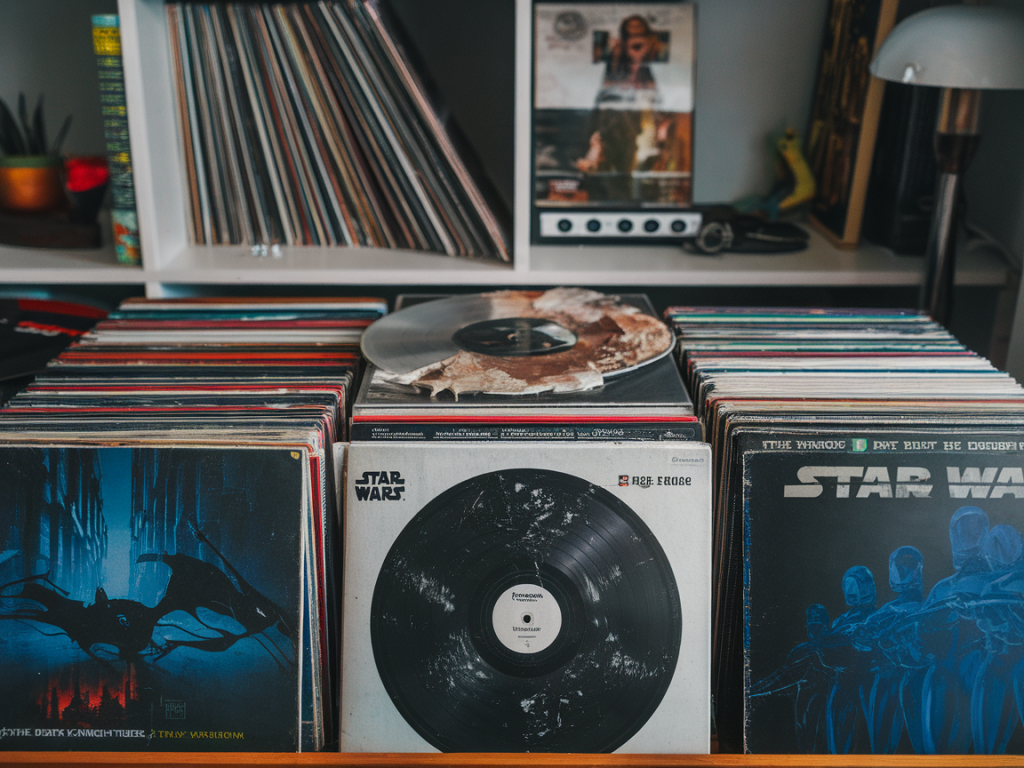
I’ve been digging through record bins and online marketplaces for years, chasing that perfect soundtrack reissue that feels like finding buried treasure. As someone who covers pop culture and fandoms for a living, I’ve seen the market thaw and freeze, watched obscure scores skyrocket, and learned that predicting which soundtrack vinyl reissues will become “collector gold” mixes research, timing, and a healthy dose of gut instinct.
Why some soundtrack reissues spike in value
Not all vinyl is created equal. Soundtrack reissues that appreciate tend to share a few common traits. From limited runs to cultural context, these elements combine to make certain pressings highly desirable.
Scarcity and limited editions: Limited pressings—especially those capped at a few hundred or pressed for a single event—are the easiest way to create demand. Labels like Mondo, Waxwork Records, and Death Waltz often release small, numbered runs for cult soundtracks; those sell out fast and become coveted.Packaging and extras: Gatefold art, liner notes, lithographs, posters, and colored vinyl add tangible value. A deluxe package from a premium label typically retains or gains value better than a standard reissue.Artist/film cultural weight: Scores by iconic composers (John Williams, Ennio Morricone, Vangelis) or soundtracks linked to culturally significant films/series (Blade Runner, Twin Peaks, Stranger Things) have a built-in collector base that will chase limited variants.First press vs. repress: First reissues—especially the initial re-pressing run after decades of unavailability—are often more valuable. Subsequent represses dilute rarity unless clearly differentiated by matrix numbers, colorways, or sleeve variations.Retailer exclusives and variants: Shop-specific variants (Urban Outfitters, Rough Trade, Amazon) can create multiple collectable versions of the same release. The rarer the retailer-exclusive variant, the higher the aftermarket price can climb.Quality of the pressing: Audiophiles notice when a reissue is well-mastered from original tapes and pressed at a reputable plant. Crowds that value sound quality and faithful reproductions will pay premiums for such releases.Practical signs I look for when evaluating a reissue
When I’m considering a new soundtrack release, I check several practical signs before thinking about resale value. These are straightforward to check and matter to both collectors and casual buyers.
Pressing numbers and run size: Labels will often note “limited to 1,000 copies” on the product page. If they don’t, look for catalog entries on Discogs or label press releases.Matrix/runout inscriptions: The runout etchings on vinyl plates tell stories—mastering engineer initials, plant codes, and pressing batch numbers. Collectors use those to differentiate first and later pressings.Who did the mastering and pressing: Mastering by notable engineers (e.g., Ryan Smith, Kevin Gray) and pressing at high-quality plants (GZ, Optimal, MPO) can indicate attention to sonic quality that collectors respect.Label reputation: Some labels specialize in archival or boutique soundtrack reissues—Light in the Attic, Varese Sarabande, Mondo, Waxwork. A respected label often signals longevity and better packaging, which supports secondary value.Preorder speed and sellouts: Quick sellouts during preorders are a surefire signal. I monitor official store pages, socials, and Discord groups for sellout notifications.Tools and sites I use to track what’s gaining value
I rely on a handful of platforms and tactics to spot upward trends before they become mainstream headlines.
Discogs: My daily go-to for cataloging, average prices, and spotting rare variants. Check completed sales and marketplace offers to see real-world pricing.eBay and Popsike: Use eBay’s completed listings and Popsike’s historical auction data for big-ticket spikes. Popsike is especially useful for older, auction-driven prices.Reddit, Discord, and niche forums: Communities like r/vinyl, r/vinylcollectors, and label-specific Discords often chatter about drops and limited runs before mainstream outlets.Label newsletters & social media: Signing up for label and retailer newsletters (Mondo, Waxwork, Light in the Attic, Rough Trade) gets you immediate access to preorders and variant announcements.Examples that taught me the market
Some reissues felt inevitable in hindsight, others were surprises. A few standouts that shaped my sense of value:
Mondo soundtrack editions: Their limited, art-forward releases for cult films almost always sell out and climb in value. The combination of striking artwork, colored vinyl, and scarcity creates a collector frenzy.Blade Runner and Vangelis reissues: When high-quality reissues of landmark scores hit the market, they attract listeners and collectors across generations, pushing prices up particularly on early pressings.Twin Peaks / Angelo Badalamenti pressings: Cult TV soundtracks tied to resurgences (new seasons, anniversaries) can see rapid revaluation. Timely reissues aligned with anniversaries or new shows spike.Simple checklist before buying (or flipping)
If you’re deciding whether to buy a reissue as an investment—or just because you love the music—I use this checklist for quick decisions:
Is it a limited run or numbered? (Yes = higher potential)Is it an exclusive variant from a single retailer? (Yes = rarer)Does the label have a strong collector following? (Yes = better resale demand)Is the mastering/pressing reputable? (Yes = higher appeal)Did it sell out quickly at preorder? (Yes = strong sign)Is the composer/film culturally significant or trending? (Yes = demand driver)How condition and provenance affect price
Condition is king. A sealed, mint copy of a limited soundtrack will fetch a huge premium over a played copy with scuffs. Keep original inner sleeves, posters, and stickers—these extras can double or triple value in some cases.
Provenance matters too: receipts, order numbers, and original shipping confirmations add trust for buyers on Discogs and eBay. If you plan to flip, keep everything pristine and photograph carefully for listings.
Risks and pitfalls to avoid
Investing in vinyl isn’t risk-free. Represses, label decisions, or sudden interest in a different variant can deflate prices. Don’t buy purely to flip without doing homework—sometimes a release is beloved by a small niche but lacks broad market demand.
Overhyped drops: Social media can inflate desirability. Check concrete sales data before assuming value.Misleading editions: Some pressings are marketed as “limited” but have unannounced second runs. Verify with the label when possible.Storage and playback risks: Humidity, poor sleeves, and heavy play can destroy resale value—store records vertically in anti-static sleeves and avoid sun exposure.| Factor | Impact on value |
| Limited numbering | High |
| Artist/film recognition | High |
| Packaging extras | Medium–High |
| Quality of pressing | Medium |
| Repress risk | Variable |
Tracking soundtracks that will become collector gold takes time and a love for the music itself. I buy most things because I want to listen and display them; the times something appreciates in value are a welcome bonus. If you want to get serious about collecting, start with labels and composers you love, learn how to read matrix numbers, and follow the communities where early signals appear. That’s where the best finds happen.