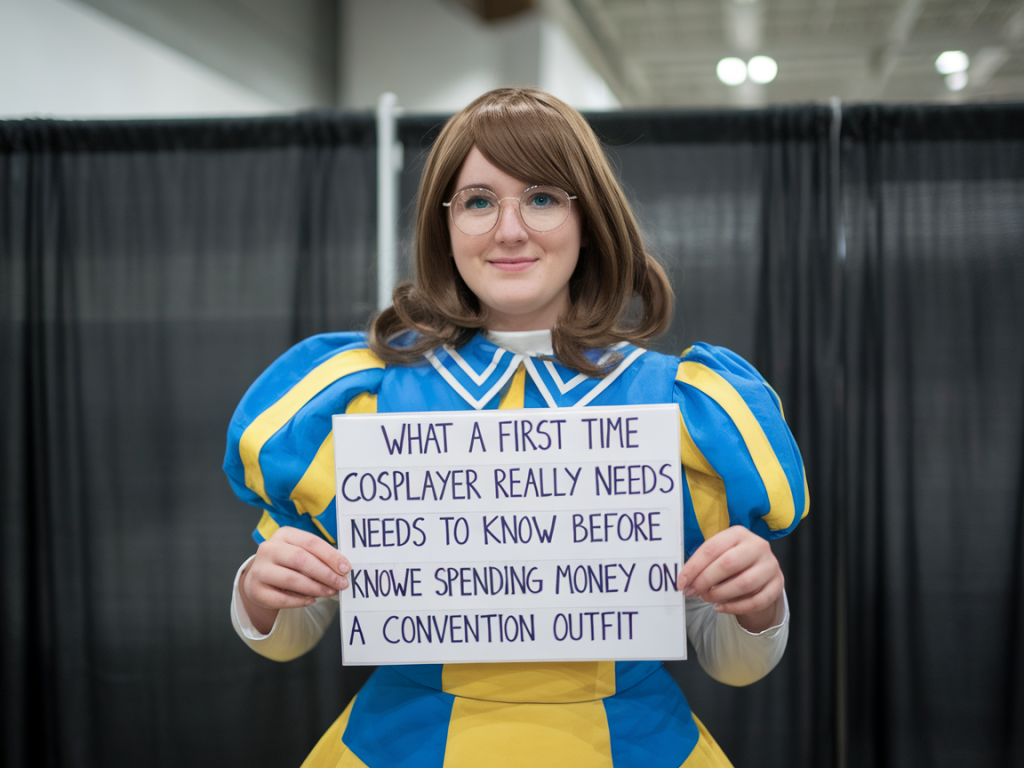
I remember the first time I stood in the dealer hall at a con and felt that sudden, delicious pull: I wanted to be part of this — not just spectate, but become a character I loved. I also remember the crushing realization that good cosplay can be expensive, time-consuming, and surprisingly technical. If you’re about to spend money on a convention outfit for the first time, here’s what I wish someone had told me: practical, candid advice from someone who’s watched fandoms blossom and who’s bought, built, and been humbled by more costumes than I care to admit.
Decide why you want to cosplay
Before you open your wallet, ask yourself one simple question: why are you doing this? Are you going for photos, casual fun, contest competition, or to hang out with friends? Your answer will drastically change how much you should spend and what you should prioritize.
If you want Instagram-worthy shots, invest in tailoring and good fabric. If you want to roam comfortably all day, prioritize footwear, breathability, and pockets. If you want to enter a contest, be prepared to spend on props, foam work, or commission a professional maker.
Start with research — not purchases
My first impulse used to be “buy the wig!” but that’s putting the cart before the horse. Spend time researching:
- Reference images from different angles (screenshots, official art, in-game models).
- Existing cosplays and build processes on YouTube, TikTok, or Cosplay.com — watch for tutorials and pitfalls.
- Communities on Reddit (r/cosplay), Discord servers, or local Facebook groups — they’re full of practical tips and vendor recommendations.
Set a realistic budget
Cosplay costs vary wildly. You can spend nothing and still have a great time, or you can drop thousands on a detailed build. Decide on a budget range before you browse. I recommend three tiers:
- Budget starter: $50–$150 — basics: a secondhand jacket, a simple wig, thrift store finds, basic makeup.
- Mid-tier: $150–$500 — better fabrics, a custom-tailored piece or well-made commission, decent wig and shoes.
- High-end: $500+ — professional commissions, complex props, custom armor, professional makeup and styling.
| Item | Budget starter | Mid-tier | High-end |
|---|---|---|---|
| Wig | $20–$40 | $40–$120 | $120+ |
| Clothing/fabric | $10–$60 | $60–$200 | $200+ |
| Props/armor | $0–$50 | $50–$200 | $200–$1000+ |
Know where to buy — and where to avoid wasting money
Some brands and sellers are trusted in the community. For wigs, Arda Wigs and Epic Cosplay get a lot of praise for quality and styling potential. For foam and crafting supplies, Worbla and EVA foam sellers on Etsy are common. For general crafting tools, Amazon and local craft stores work, but prices and quality vary.
Avoid impulse buys on cheap, unfamiliar sellers when you’re ordering a wig or a prop that shapes your whole look. Read reviews, ask in Discord, and if possible, buy from sellers who post honest photos of the product in use.
Comfort beats accuracy for your first time
I’ve seen too many newbies spend a fortune on a stunning but unwearable outfit that ruined their con day. Prioritize:
- Good shoes — blisters will end your day faster than a bad photo session.
- Breathable layers — consider lining, mobility, and ventilation.
- Function — pockets, an inner layer you can change under, and accessible zippers.
Costume construction basics
If you plan to DIY, start with manageable materials and techniques:
- Fabric sewing: learn basic stitches, seam finishes, and how to take measurements.
- Wig styling: invest in a good wig brush, wig stand, heat tools if heat-resistant, and hairspray.
- Props and armor: start with craft foam, hot glue, contact cement, and practice sealing/painting techniques before moving to thermoplastics like Worbla.
Many makers sell partial kits — a commissioned bodice or a pair of boots — which can save you time and money while letting you learn slowly.
Plan for tools and extras
Beginners often forget the extras that add up: wig caps, spirit gum and remover, makeup primers, body tape, paint sealants, spare batteries for LED props, and a basic repair kit (hot glue sticks, safety pins, needle and thread, superglue). These are cheap but essential.
Consider commissioning strategically
Commissioning a maker can be cost-effective if you lack time or skill, but do it wisely:
- Check portfolios and client reviews.
- Ask about timelines and shipping well in advance of the con.
- Request progress photos and agree on revision terms.
Commissioning local makers can let you try on pieces and reduce shipping delays — check Etsy, Instagram, and local conventions for recommendations.
Practice wearing the costume
Once you have pieces, wear them at home. Test how long you can stand, sit, or walk. Practice walking in character and taking photos. This reveals pressure points and costume failures before you’re in a crowded hallway.
Photography and presentation
How a costume reads in person is different from how it photos. Think about:
- Lighting — certain fabrics and paints react differently under flash or stage lighting.
- Silhouette — make sure shapes are clear from a distance; bulky joints can read poorly on camera.
- Props — ensure they’re camera-friendly (no reflective surfaces that blind photographers) and safe to carry.
Respect safety and con rules
Read the convention’s prop policy: many cons ban real weapons and regulate prop size and materials. Even if a foam sword feels harmless, packaging, attachment points, and crowd safety matter. Some conventions also require fire-retardant fabrics for certain panel spaces — check rules early.
Join the community and learn fast
Cosplayers are generous with knowledge. Share your progress online and ask for critique — most feedback is supportive and practical. Local meetups, maker workshops, and social media tutorials will speed your learning and help you avoid expensive mistakes.
Final checklist before spending
- Define your cosplay goal (photos/comfort/contest).
- Set a clear budget and stick to it.
- Research vendors and ask the community for recommendations.
- Prioritize shoes and comfort over perfect accuracy for your first time.
- Buy essential extras (repair kit, adhesives, wig cap) before the big day.
- Practice wearing and moving in the outfit.
- Confirm con prop and safety rules.
Spending money on your first convention outfit is exciting, and with a little planning you can make choices that leave you happy, comfortable, and proud. Cosplay should be fun, not a financial regret — get the basics right, learn as you go, and you’ll keep improving with each con.