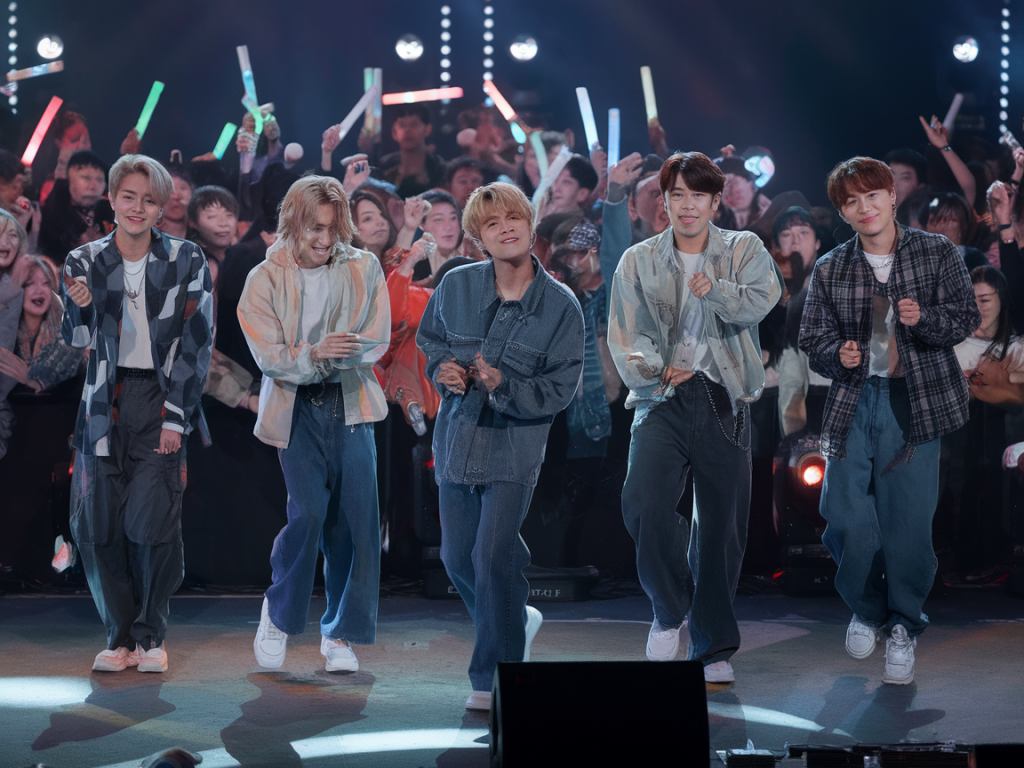
I’ve been following K-pop for years, not just as a critic but as a fan who obsesses over how communities form, organize, and grow. One of the most fascinating shifts I’ve watched is how emerging K-pop acts—often without major label backing—manage to build massive, engaged global fandoms. These groups don’t have the marketing budgets or distribution clout of a Big Three company, yet they reach fandoms across continents. Below I break down the strategies, platforms, and cultural mechanics that make that possible, and I share observations that matter if you care about how modern fan communities are built.
Direct-to-fan content: micro-moments that add up
Going viral overnight is enticing as a story, but in reality most indie K-pop acts grow through relentless, deliberate content work. Without a label pushing a massive scheduled campaign, these artists lean hard into daily touchpoints:
Those micro-moments add up to a sense of intimacy fans value. You don’t need a multimillion-dollar production to make a fan feel seen; you need frequency and authenticity.
Community labour: fans do the promotional heavy lifting
Major labels can buy ads and prime playlists, but indie acts often catalyze fandoms that become the promotional engine. Fan-made content—fancams, subtitled interviews, reaction videos, fan art, and dance covers—spreads the artist organically. Two points to note:
As a former reporter covering conventions, I’ve seen how passionate fan-organized campaigns can outcompete traditional PR reach. When fleets of fans coordinate streaming parties, they influence algorithms—and that matters for visibility.
Smart platform plays: where to be first and why it matters
Emerging acts pick platforms strategically rather than trying to be everywhere at once. Key plays include:
Choosing the right primary platform allows a small team to be exceptional rather than mediocre across ten services. The algorithmic advantage of consistent, high-engagement posts can emulate the reach of paid campaigns.
Authenticity vs. polish: balancing image and access
Fans smell inauthenticity quickly. Indie acts that succeed find a balance between aspiration and accessibility. That looks like:
When artists are candid about struggles—low budgets, late-night practices, or creative choices—fans often double down in support. Authenticity becomes a rallying point: fans aren’t just consuming; they’re helping the act achieve a dream.
Merch, crowdfunding, and alternative revenue
Without major label advances, indie acts turn to their fandoms for financial support in smart ways:
These mechanisms do more than fund growth; they cement a sense of ownership and partnership between artist and fan.
DIY touring and localized outreach
Touring is still one of the strongest ways to convert casual listeners into superfans. Indie K-pop acts use clever tactics to mount tours affordably:
The result is a deeper connection per show. Fans who feel they helped bring the act to town often become lifelong advocates.
Collaborations, features, and cross-cultural bridges
Indie acts grow faster when they strategically collaborate. That can mean a feature with a Western indie artist, a remix by a well-known producer, or a TikTok duet campaign. Collaborations multiply exposure across communities and can position an act in new cultural contexts—critical for global growth.
Data savvy: fans and teams learn the algorithms
Emerging acts may not have label analytics, but many are exceptionally data-savvy. Small teams and fans monitor:
Fans contribute data too. They report which clips get traction, which playlists accept submissions, and where reaction videos land best. Together, this grassroots intelligence helps level the playing field.
Case studies I keep an eye on
I won’t pretend every indie act follows the same playbook, but there are consistent patterns in groups and collectives that rise without major label impetus. Collectives that emphasize visual identity and shareable moments do well; artists who position themselves around a narrative or aesthetic make it easier for fans to create and spread content. When artists treat fans as collaborators—not just consumers—you see community-led campaigns translate directly into streams, charting, and sold-out shows.
What brands and platforms can learn
From a journalism and industry perspective, these DIY fandoms teach valuable lessons:
At Fandomwire Co, we watch these dynamics because they reveal how culture spreads in the digital age: organically, collaboratively, and often powered by the dedication of fans more than corporate budgets.
If you’re a fan, a creator, or someone working in music marketing, the takeaway is clear: global fandoms aren’t only built from the top down. They’re assembled piece by piece—post by post, stream by stream, and handshake by handshake—by communities that choose to invest their time, creativity, and money into acts they believe in. That’s the heart of why emerging K-pop acts can, and do, break through without traditional label backing.